

Looking to register your car in California? This comprehensive guide walks you through every step, from understanding key requirements to obtaining your license plate. Discover the importance of a DMV VIN verification process, essential documents needed, and how to complete the registration application smoothly. By following these clear instructions, you’ll have your vehicle registered in no time, ensuring compliance with California’s regulations.
- Understand California Car Registration Requirements
- Gather Necessary Documents for DMV Visit
- Perform VIN Verification: Steps and Importance
- Complete Application Process at the DMV Office
- Obtain License Plate and Register Your Vehicle
Understand California Car Registration Requirements

Before registering your car in California, it’s crucial to understand the state’s specific requirements. The California Department of Motor Vehicles (DMV) mandates several steps for new and existing vehicle owners. One essential step is the DMV VIN verification process, which ensures that your vehicle’s unique identifier—the Vehicle Identification Number (VIN)—is accurate and matches the car’s make, model, and year. This verification is typically done through a mobile VIN inspection or online services provided by the DMV.
During this process, you’ll need to present valid registration documents, proof of insurance, and possibly other required forms. The DMV offers both in-person visits and online registration options for your convenience. Additionally, many counties in California offer mobile VIN verification services, allowing you to get your car registered faster by having an inspector visit your location. This streamlined approach makes it easier than ever to comply with California’s car registration requirements.
Gather Necessary Documents for DMV Visit

Before visiting the DMV, make sure to gather all the essential documents required for car registration. This includes your vehicle’s registration certificate from the previous state, a valid driver’s license, proof of insurance, and identification documents such as a passport or state-issued ID. Additionally, you’ll need to complete and submit Form SM 700 (Application for Title and Registration).
A crucial step in the process is the DMV’s vehicle identification number (VIN) verification. This can be done through a standard inspection at the DMV or by arranging a convenient mobile vin inspection. Alternatively, many services offer online tools to perform a vin inspection before you visit, ensuring a smoother experience. The VIN is a unique code that identifies your car, and its verification is essential for accurate registration.
Perform VIN Verification: Steps and Importance
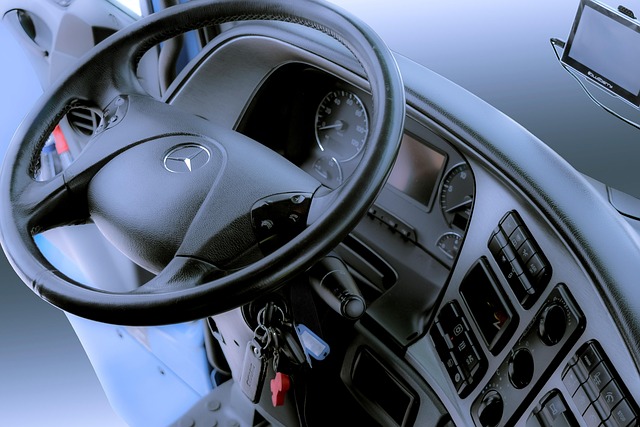
Before registering your car in California, performing a Vehicle Identification Number (VIN) verification is a crucial step. This process involves checking the vehicle’s history and ensuring it meets all safety standards. You can conduct this DMV vin verification through several methods, including a mobile vin verifier or by scheduling an inspection at a certified location.
Start by obtaining your car’s VIN, which is typically located on the vehicle’s registration certificate or found under the windshield on the driver’s side. Then, use a reliable mobile vin verification service to cross-reference this number with national databases. This step is essential as it helps identify any historical issues, such as accidents or outstanding loans, ensuring you’re aware of all potential red flags before completing the registration process.
Complete Application Process at the DMV Office

To complete the car registration process in California, you’ll need to visit a DMV office and gather all necessary documents. Begin by filling out the Application for Title and Registration (Form DV305) available at the DMV or online. Ensure accuracy during this step as any errors may delay your registration.
Once formality is taken care of, the next crucial step involves verifying the vehicle’s identification number (VIN). This can be done through a dmv vin verification process where you provide the VIN and relevant details to a DMV representative. Alternatively, consider using a mobile vin verifier or arranging for a vin inspection from an approved third-party service to ensure convenience and speed.
Obtain License Plate and Register Your Vehicle

After completing your vehicle’s purchase, it’s time to obtain a license plate and officially register your car with the California Department of Motor Vehicles (DMV). The registration process involves several steps, one of which is performing a DMV VIN verification. This step ensures that your vehicle meets all safety standards and legal requirements before it can be licensed and insured.
A mobile VIN verifier, also known as a mobile VIN inspection service, can streamline this process by enabling you to complete the necessary checks remotely. By using this convenient service, you provide accurate data from your car’s Vehicle Identification Number (VIN) to the DMV, facilitating a swift registration approval. This approach saves time and effort compared to traditional methods, making vehicle registration more accessible for California residents.
Registering a car in California involves understanding specific requirements, gathering essential documents, and completing a straightforward process. After performing a crucial dmv VIN verification step to ensure vehicle identity, you can navigate the application process at your local DMV office. Once approved, obtain your license plate and officially register your vehicle, ensuring compliance with California’s regulations.