

Registering a car in California is a crucial step for any new owner, ensuring legal compliance and facilitating smooth operation on the state’s roads. However, navigating the process can be confusing, with various requirements and steps involved. This article serves as your comprehensive guide, offering expert insights into every aspect of the registration procedure, from gathering necessary documents to understanding fees and, importantly, how to conduct a DMV VIN verification. By following these clear instructions, you’ll efficiently navigate California’s car registration process.
- Prepare Required Documents for Car Registration
- Visit the California DMV: Step-by-Step Guide
- Perform a Vehicle History Report and VIN Verification
- Pay the California Car Registration Fees
- Receive Your Registration Certificate and Plate
Prepare Required Documents for Car Registration

Before you can register your car in California, it’s crucial to prepare an essential set of documents. This process is designed to ensure vehicle authenticity and safety, and the California Department of Motor Vehicles (DMV) has strict guidelines. One critical step is the DMV VIN verification, which confirms the vehicle’s identity using its unique Vehicle Identification Number (VIN). Proper documentation streamlines this process and helps avoid potential delays or issues later on.
Central to your preparation is ensuring accurate ownership information, including proof of purchase and any previous registration records. Additionally, you’ll need current vehicle inspection results, confirming that your car meets safety and emissions standards. Other essential documents include a valid driver’s license or state ID card for all owners listed on the registration. Moreover, if applicable, you may require a title transfer document from a previous owner.
For added convenience, consider utilizing mobile VIN verification services. These tools allow you to complete a quick online check using your vehicle’s VIN, ensuring its validity and history before visiting the DMV. This proactive step can save time and provide peace of mind, as you’ll have a clearer understanding of your car’s background before making any registration attempts. Examples of reputable mobile VIN verifiers can be found readily available for download on both iOS and Android platforms.
Visit the California DMV: Step-by-Step Guide
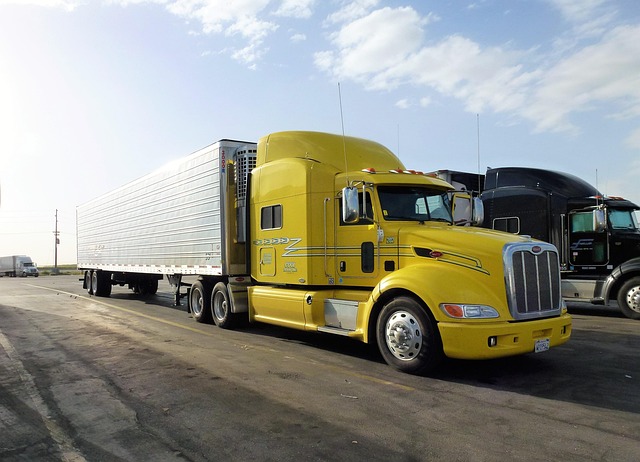
To register your car in California, a critical step is visiting the California DMV (Department of Motor Vehicles). This process involves several checks to ensure your vehicle meets safety standards and legal requirements. One crucial aspect, especially for peace of mind, is having your vehicle’s VIN (Vehicle Identification Number) verified by the DMV. This ensures that your car’s history aligns with the information provided during registration.
The process begins by scheduling an appointment at a local DMV office. Many offices now offer online appointment booking to streamline the process. Upon arrival, you’ll need to present relevant documents including proof of ownership, vehicle registration from another state (if applicable), and current insurance card. It’s also wise to bring along your valid driver’s license or ID. A staff member will guide you through the necessary steps, which include a thorough inspection of your vehicle. This inspection covers critical components like lights, signals, brakes, and tires, ensuring they meet California’s safety standards.
If you’re dealing with a used car, a mobile VIN verification service could be beneficial. These services send a specialist to your location to perform a detailed VIN inspection. This option is particularly useful if the vehicle’s history isn’t immediately clear or if there are concerns about potential tampering. Many such services offer real-time data checks, providing immediate access to the vehicle’s past, including any accident reports or outstanding issues. While this might come at an extra cost, it ensures a more comprehensive and accurate registration process. Ultimately, whether you’re conducting a DMV VIN verification in person or using a mobile service, ensuring your car is safe and legal for California roads should always be a top priority.
Perform a Vehicle History Report and VIN Verification

Before registering your car in California, performing a Vehicle History Report and DVW (Department of Motor Vehicles) VIN verification is crucial. This process ensures that your vehicle’s history is clear and matches the information provided by the manufacturer. One effective method to accomplish this is through a mobile VIN verifier, which allows for convenient and accurate inspection right from your location. These tools cross-reference the Vehicle Identification Number (VIN) with various databases to uncover any hidden issues or previous accidents, providing peace of mind before completing the registration process.
In California, the DMV requires a comprehensive check to ensure vehicles meet safety standards and do not have outstanding issues. A mobile VIN inspection service can streamline this step by offering immediate results, often within minutes. This is particularly beneficial for those in remote areas or with busy schedules, eliminating the need to visit a DMV office. For instance, a study found that up to 20% of vehicles with reported accidents may bypass proper verification, highlighting the importance of leveraging modern tools like mobile VIN verifiers to catch potential inaccuracies.
To ensure a smooth registration process, gather all necessary documentation and prepare for the inspection. During the DVW VIN verification, you’ll need to provide the vehicle’s VIN, which can typically be found on the dashboard or under the hood. The verifier will then cross-check this information against state records and national databases. If discrepancies are detected, it may indicate previous damage or undisclosed modifications, necessitating further investigation. By proactively addressing these issues, you can avoid delays and potential fines during the registration process.
Pay the California Car Registration Fees
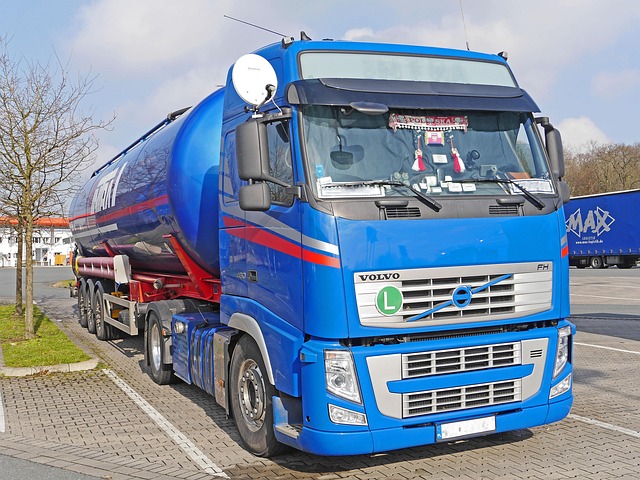
Registering a car in California involves several steps, with one crucial component being the payment of registration fees. These fees cover various services, including vehicle titling, license plate issuance, and road usage fees. Understanding how these costs are calculated and when to pay them is essential for a smooth process. The California Department of Motor Vehicles (DMV) offers both online and in-person options for fee payment, with the latter often involving a vin inspection at a designated DMV office.
The registration process begins with gathering necessary documents, including proof of ownership through a vehicle’s Vehicle Identification Number (VIN). This VIN is used for verification purposes, ensuring that the vehicle matches the documentation provided. A mobile vin inspection or a visit to a DMV field office for a manual vin check are common steps in this initial verification stage. Once the VIN is confirmed, individuals can proceed with applying for their California registration, which includes paying the associated fees. These fees vary based on factors like the age of the vehicle and its fuel type, with electric vehicles often having lower fees due to reduced emissions.
When preparing to register, drivers should anticipate these costs and ensure they have the required funds. Many choose to pay online through the DMV’s secure portal, which offers convenience and a streamlined process. Alternatively, payment can be made in person at a local DMV office during their operating hours. It’s advisable to check the specific fee amounts for your vehicle on the DMV website or by contacting a local field office before initiating the registration process. This proactive approach ensures that you’re prepared for the financial aspect of car registration in California.
Receive Your Registration Certificate and Plate
After completing your California car registration process, which includes a thorough inspection at the DMV, the next step is to receive your Registration Certificate and license plates. This crucial phase solidifies your vehicle’s legal status on California roads. Upon approval, you’ll be handed an official document confirming your vehicle’s registration, along with unique license plates tailored to your car.
Obtaining your license plates involves a meticulous process known as DMV VIN verification. In California, this step is essential to ensure the accuracy of your vehicle’s identification number (VIN). Here, the mobile VIN verification process comes into play as a convenient alternative to traditional in-person visits. With just a few simple steps, you can verify your VIN using a mobile app or online platform, eliminating the need for lengthy drives and waiting times. For instance, many mobile VIN verifiers provide real-time results, allowing you to confirm your car’s eligibility instantly.
Once your VIN is verified, you’ll be ready to install your new license plates. The California DMV offers various plate options catering to different preferences and vehicles. It’s advisable to review these choices beforehand, ensuring you select the most suitable plates for your car. A common scenario involves mobile VIN inspection services that not only verify your vehicle but also assist in ordering the appropriate plates, making the entire process seamless and efficient. Remember, proper registration and plate display are vital for road safety and legal compliance.
Registering a car in California involves several crucial steps, from gathering essential documents to completing DMV vin verification. Key takeaways include preparing necessary paperwork, visiting a local California DMV office, conducting a vehicle history report, and paying the associated fees. Additionally, understanding and successfully navigating the dmv vin verification process is paramount to ensure a smooth registration experience. Once completed, you’ll receive your registration certificate and license plates, marking the official recognition of your vehicle in the Golden State. Moving forward, drivers should stay informed about renewal deadlines and maintain accurate records for future reference.