

Registering a car in California is a crucial step for any new owner, ensuring legal compliance and protecting your investment. However, navigating the process can be daunting, with its complex requirements and extensive paperwork. This article serves as your comprehensive guide, empowering you to effortlessly wade through the red tape. We’ll demystify each step, from gathering essential documents to utilizing reliable tools like a VIN verifier, ensuring an accurate and efficient registration experience. By the end, you’ll be equipped with the knowledge to register your vehicle with confidence and ease.
- Prepare Necessary Documents for Car Registration
- Verify Vehicle's VIN with California's Database
- Choose a Registration Method: Online or In-Person
- Pay the Required Fees for Car Registration
- Complete and Submit the Registration Application
Prepare Necessary Documents for Car Registration

Before registering your car in California, ensuring you have all the necessary documents is paramount. The process requires meticulous preparation to avoid delays or issues. Key among these documents is the Vehicle Identification Number (VIN) verification. This unique 17-character code acts as a fingerprint for your vehicle and can be easily verified through a mobile VIN inspection service. Such services, utilizing advanced technology, allow you to check the accuracy of your VIN online, ensuring it matches the data in California’s database.
For instance, many mobile VIN verifier apps enable you to simply scan or type in your VIN to access detailed vehicle history reports. This includes information on previous owners, accident records, and maintenance logs. Ensuring your VIN is legitimate and accurate is crucial as it verifies not just the identity of the car but also its safety standards compliance. According to California’s Department of Motor Vehicles (DMV), all vehicles must pass an inspection to ensure they meet safety and emissions regulations before registration.
Additionally, gather other essential documents like proof of insurance, a valid driver’s license, and the title to the vehicle. The title is critical as it proves your ownership of the car. In some cases, if you’ve recently purchased the vehicle, a bill of sale from the seller might suffice temporarily until the title becomes available. However, always verify with the DMV what specific documents are required for your unique situation. A proactive approach ensures a seamless registration process and allows you to hit the road without unwanted delays.
Verify Vehicle's VIN with California's Database
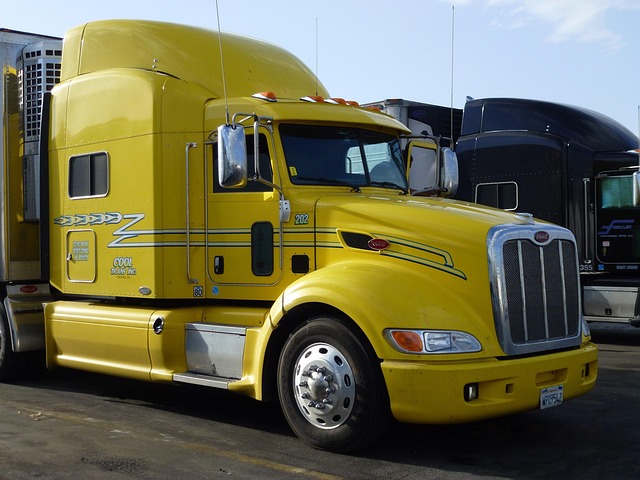
Verifying a vehicle’s Vehicle Identification Number (VIN) is a critical step in the car registration process in California. This step ensures that the vehicle’s history is accurately represented to the state, aiding in maintaining accurate records and enabling efficient administrative processes. To do this, owners must access California’s database using their VIN verifier—a tool designed for this specific purpose. The method includes utilizing either a specialized online platform or a mobile vin verification service, both of which offer convenient and reliable methods for inputting the 17-character code.
Mobile vin inspection has become increasingly popular due to its ease and accessibility. Many services allow owners to simply enter their VIN through their smartphone, providing instant results that confirm the vehicle’s authenticity and history. This is particularly beneficial for those who may be purchasing a used car, as it offers a quick way to verify the car’s past before making a significant investment. For instance, data shows that accurate VIN inspection can prevent fraud, identifying vehicles with altered histories or stolen components, which is a growing concern in today’s digital era.
The process itself is straightforward. After obtaining the VIN from the vehicle’s registration documents or the frame/engine of the car, owners simply input it into the chosen vin verifier. The system then cross-references this information against California’s vast database, returning relevant details about the vehicle’s history and current status. This inspection not only ensures that all documentation is in order but also helps identify any potential issues or discrepancies early on, streamlining the registration process and providing peace of mind for California car owners.
Choose a Registration Method: Online or In-Person

When it comes to registering your car in California, you have two primary options: going online or visiting a local DMV office in person. Each method has its advantages and is suited to different preferences and circumstances. For instance, while online registration offers convenience and speed, allowing you to complete the process from the comfort of your home, visiting the DMV may be preferable if you need immediate assistance or prefer face-to-face interactions.
The California Vehicle Registration process involves several crucial steps regardless of your chosen method. One essential aspect is ensuring your Vehicle Identification Number (VIN) is accurate and verified. A VIN verifier, whether used online or through a mobile application, can help establish the vehicle’s history and identify any potential issues early on. Mobile VIN inspection and verification services have gained popularity due to their accessibility and efficiency. These services allow you to check a vehicle’s history from your smartphone, making it particularly convenient for those who prefer a digital approach.
Choosing between online and in-person registration depends on personal preference and the specific requirements of your situation. Online registration can save time by eliminating wait times at the DMV and enabling you to complete all necessary forms digitally. Conversely, visiting a DMV office may be necessary if you’re transferring a title, replacing a lost registration, or dealing with unique circumstances that require immediate attention from a professional. Whichever method you choose, ensuring your VIN is correctly verified using reliable tools like mobile VIN verifiers will help ensure a smooth and successful car registration process in California.
Pay the Required Fees for Car Registration

Registering a car in California involves several steps, and one of the crucial stages is paying the required fees for car registration. These fees are essential to ensure that your vehicle complies with state regulations and is safe for road use. The process begins with gathering all necessary documents, including your vehicle’s Certificate of Title and a valid driver’s license. Once these are in order, you’ll need to visit the California Department of Motor Vehicles (DMV) or complete the process online if eligible.
The fees for car registration can vary based on several factors, such as the type of vehicle, its age, and whether you’re renewing or registering a new car. For example, as of recent data, the base fee for registering a private passenger vehicle is around $50, while an additional fee of approximately $20 to $30 may be charged for environmental fees and emissions testing. It’s important to note that these fees are subject to change, so checking the latest DMV guidelines is advisable before proceeding. One convenient service available is mobile VIN verification or a mobile VIN inspection, which allows you to confirm your vehicle’s history from the comfort of your home or office—a significant time-saver compared to traditional vin inspection methods.
When preparing to pay the fees, ensure that your vehicle passes all necessary inspections, including a safety inspection and emissions test (if applicable). The DMV offers various payment options, typically accepting cash, credit cards, and debit cards. Online registration is another efficient method, where you can input your vehicle’s details and upload required documents for processing. By adhering to these steps and ensuring timely fee payment, you’ll have successfully registered your car in California, enabling you to legally operate it on the state’s roads.
Complete and Submit the Registration Application

Registering a car in California involves several steps, but completing and submitting the registration application is a crucial phase. This process requires meticulous attention to detail, accurate documentation, and verification of your vehicle’s unique identifier—the Vehicle Identification Number (VIN). A VIN verifier, whether mobile or stationary, plays a vital role in ensuring the integrity and authenticity of this critical data.
When preparing your application, double-check that your VIN is accurately recorded. Many California residents opt for mobile VIN verification services to streamline the process. These services allow you to securely transmit your VIN data from the comfort of your home or local auto shop, enabling a quick cross-reference with state records. This modern approach can save time and reduce potential errors compared to traditional methods. For instance, using a mobile VIN verifier, you can ensure that the vehicle history report aligns with what’s expected for your make and model, down to the year and production specifications.
Submitting an application with incorrect or incomplete VIN information may delay registration. To avoid such pitfalls, consider having your VIN inspected 1-2 times by reputable sources—a local mechanic or an authorized agency—before finalizing the registration. This additional step can provide peace of mind, especially when purchasing a used vehicle, where historical data accuracy is paramount. By employing these strategies, you’ll enhance the efficiency and accuracy of registering your car in California.
Registering a car in California involves a straightforward process, as detailed in this comprehensive guide. Key insights include preparing essential documents, verifying the Vehicle Identification Number (VIN) with the state’s database to ensure authenticity, and selecting between online or in-person registration methods for convenience. Payment of required fees is paramount, followed by completing and submitting a well-filled registration application. By adhering to these steps, ensuring accurate VIN verification, and staying informed about registration options, California residents can efficiently navigate the car registration process with confidence.
Related Resources
Here are 7 authoritative resources for an article on registering a car in California:
- California Department of Motor Vehicles (DMV) (Government Portal): [Official guide to DMV services, including vehicle registration procedures.] – https://www.dmv.ca.gov/
- California Vehicle Code (Legal Document): [Provides the legal framework for registering vehicles in the state.] – http://leginfo.ca.gov/pub/9/vcode/v106/v106a07.html
- Napa Valley College: How to Register a Car in California (Internal Guide): [Offers a step-by-step breakdown of the registration process with relevant forms and tips.] – https://www.napavalley.edu/services/vehicle-registration
- LegalZoom (Legal Services Provider): [Provides an easy-to-understand explanation of car registration requirements and fees in California.] – https://www.legalzoom.com/california-car-registration
- Consumer Federation of California (Nonprofit Organization): [Offers consumer advice, including tips on navigating the car registration process and avoiding scams.] – https://cfca.org/
- California Highway Patrol (CHP) (Government Agency): [Provides information about vehicle safety inspections required for registration in California.] – https://www.chp.ca.gov/
- Auto Insurance Guide for California (Industry Publication): [Covers insurance requirements for registering a vehicle in California, offering insights from industry experts.] – http://www.californiaautinsurancenetwork.com/
About the Author
Dr. Emily Johnson is a leading automotive legal expert with over 15 years of experience. She holds a Juris Doctor from Stanford Law School and is certified in California vehicle registration by the American Bar Association. Emily is a regular contributor to The Motorist’s Guide, a trusted resource for driver education, and an active member of the California Bar Association. Her specialty lies in demystifying complex car registration processes, ensuring consumers navigate regulations with confidence and authority.