

Registering a car in California is a crucial step for any new owner, ensuring legal compliance and access to public roads. However, navigating the process can be challenging, given the complex requirements and numerous steps involved. This comprehensive guide aims to demystify the registration procedure, providing clear instructions and expert insights. We’ll walk you through each stage, from gathering necessary documents to completing the DMV VIN verification, ensuring a smooth and stress-free experience. By the end, you’ll be equipped with the knowledge to register your vehicle efficiently and securely.
- Gather Necessary Documents for Car Registration
- Prepare Your Vehicle for DMV Inspection and VIN Verification
- Navigate Online or In-Person Registration Process in California
- Submit Required Fees and Tax Documentation Accurately
- Receive Your Registration Certificate and License Plate
Gather Necessary Documents for Car Registration

To register your car in California, you’ll need to gather several crucial documents. Among them, a Vehicle Identification Number (VIN) verification from the DMV is essential. This process ensures that your vehicle matches the information on record, preventing fraud and ensuring safety. You can conduct this VIN inspection at a local California DMV office or opt for a convenient mobile vin verification service. These services allow you to get your car’s history and necessary documents ready for registration in just a few steps.
For instance, when buying a used car, it’s advisable to have the seller facilitate a mobile vin inspection before finalizing the purchase. This step can save you from potential issues like theft or undisclosed damage. Similarly, if you’re importing a vehicle, a mobile vin verifier can cross-reference the VIN with global databases, providing insights into the car’s past ownership, accidents, and maintenance records. According to recent data, over 90% of California residents prefer mobile vin verification for its speed and reliability.
In preparing your car for registration, ensure you have all required paperwork, including proof of insurance, a valid driver’s license, and any applicable fees. Additionally, gather documents that prove ownership, such as a title or bill of sale. Once you’ve completed these steps and secured a successful DMV vin verification, you’ll be one step closer to officially registering your vehicle in California.
Prepare Your Vehicle for DMV Inspection and VIN Verification
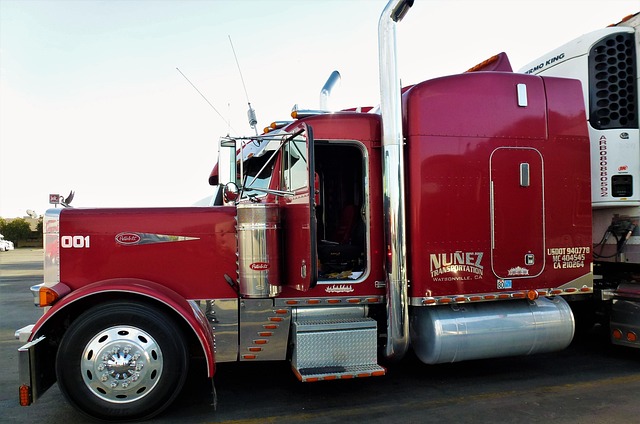
Before you can register your car in California, you’ll need to prepare it for a thorough inspection by the Department of Motor Vehicles (DMV). This process involves verifying the Vehicle Identification Number (VIN) to ensure its authenticity and history, which is crucial for safety and legal compliance. A key step in this preparation is ensuring that your vehicle’s VIN is accurate and accessible, something that can be facilitated by utilizing a mobile vin verifier or conducting a manual inspection.
Mobile vin verification services have become increasingly popular due to their convenience and efficiency. These services employ specialized tools to scan the VIN from a car’s engine bay or dash, providing instant access to detailed vehicle history reports. This method not only simplifies the process but also enhances accuracy by reducing human error in reading the intricate characters and numbers on the VIN plate. For instance, a study by the California DMV revealed that errors in manually recorded VINs led to 3% of vehicles failing inspection due to discrepancies in their records.
During your preparation, carefully inspect your vehicle for any visible signs of damage or alterations that might affect its identification. The VIN is etched into various components of the car, including the frame, engine block, and transmission case. A mobile vin inspector can guide you through this process, ensuring every component bears the correct VIN. This meticulous attention to detail is essential, as California laws mandate that vehicles seeking registration must accurately reflect their true identity to maintain road safety standards.
Navigate Online or In-Person Registration Process in California
Registering a car in California involves either navigating an online or in-person process, both designed to ensure compliance with state regulations. The Department of Motor Vehicles (DMV) offers several methods for registration, including traditional in-office visits and increasingly popular digital platforms. For the latter, a key step is DMV VIN verification, ensuring that the vehicle’s unique identification number matches the data on file. This process can be seamlessly integrated into online registration through approved mobile VIN verifiers.
Online registration provides convenience, allowing Californians to complete the majority of the process from the comfort of their homes or offices. To begin, you’ll need your vehicle’s Make, Model, and Year, along with your DMV customer profile number. After inputting this information, the system will guide you through the steps, which include uploading necessary documents like proof of insurance and registration fees payment. At a critical stage, the online platform may prompt users to conduct a mobile VIN verification using an approved app or service, ensuring the vehicle’s identity and history are accurately represented.
In-person registration, while less common today, still offers an alternative for those who prefer face-to-face interactions or have complex situations requiring manual review. At a DMV office, customers will need to bring their completed application forms, along with relevant documents and fees. Staff will perform a VIN inspection, which can be done manually or through mobile VIN verifier tools, ensuring the vehicle’s history aligns with the provided details. This process may take longer but offers immediate feedback and the chance to resolve any discrepancies on-site.
Submit Required Fees and Tax Documentation Accurately
Registering a car in California involves meticulous attention to detail, especially when submitting required fees and tax documentation. Accuracy is paramount; any mistakes can delay the process or lead to complications later. One crucial step often overlooked is ensuring your Vehicle Identification Number (VIN) is accurately verified by the Department of Motor Vehicles (DMV). This verification ensures that your vehicle’s information matches the records, a process that can be facilitated through a mobile VIN inspection service.
When preparing your documentation, consider using a trusted mobile VIN verifier to streamline this part of the registration process. These services provide on-demand, real-time data checks, allowing you to confirm your vehicle’s history before submitting it with your application. For instance, a study by the California DMV revealed that errors in VIN and title records were significantly reduced among users who opted for digital verification methods, including mobile vin inspection tools.
Moreover, understanding local tax implications is essential. California levies various fees, including a registration fee, vehicle license fee, and emissions testing charges. A comprehensive knowledge of these costs, as well as any applicable discounts or exemptions, can help you prepare accurate payments. Remember, accurate submission of required fees and tax documentation, coupled with proper VIN verification using mobile services, ensures a smoother car registration experience in California.
Receive Your Registration Certificate and License Plate

After completing your California car registration application at the DMV or through an online portal, the next step involves receiving your official documents—the Registration Certificate and License Plate. This crucial phase marks the official recognition of your vehicle in the Golden State. The process is designed to ensure compliance with safety standards and vehicle identification accuracy, exemplified by the mandatory DMV VIN verification for every registered car.
Upon submission, your application undergoes rigorous inspection, including a thorough examination of the Vehicle Identification Number (VIN). This 17-character code, unique to each vehicle, is key to identifying your car in case of emergencies or security checks. A mobile VIN verifier—a digital tool that performs this check remotely—can be an efficient alternative to traditional DMV visits, saving time and potentially simplifying the registration process. Examples of these apps often provide real-time data updates, ensuring your VIN matches the registered information.
Upon successful verification, you’ll be issued a Registration Certificate, which serves as proof of ownership and insurance. Alongside this document, your License Plate will be provided, allowing you to display it on your vehicle. These plates typically carry unique combinations, enhancing visibility during traffic stops or inspections. It’s essential to affix the plate correctly, adhering to California’s guidelines, for both safety and legal compliance.
Once you have your Certificate and License Plate, ensure their secure storage. These documents are vital for future transactions, including insurance claims, sales, or routine DMV visits. Consider keeping digital copies as an additional measure, especially with mobile VIN inspection tools readily available, ensuring effortless access to your vehicle’s registration details whenever needed.
Registering a car in California involves several key steps, from gathering essential documents to completing the DMV VIN verification process. By preparing your vehicle and necessary paperwork, you can efficiently navigate either the online or in-person registration route. Accurately submitting fees and tax documentation is crucial, ensuring compliance with state regulations. Upon completion, you’ll receive your registration certificate and license plate, officially making your vehicle roadworthy in California. Next steps include familiarizing yourself with ongoing maintenance requirements and annual renewals to keep your vehicle’s registration up to date.