

Registering a car in California is a vital step for any new owner, ensuring legal compliance and personal protection. However, navigating the process can be a significant challenge, with its complexity often leading to confusion and delays. The California Department of Motor Vehicles (DMV) offers essential services, but efficiently completing registration requires a thorough understanding of requirements and documentation. This article serves as your authoritative guide, providing step-by-step instructions and highlighting critical aspects like utilizing the DMV VIN verifier to ensure accurate and seamless car registration, ensuring you’re well-prepared for this essential task.
- Gather Necessary Documents for Car Registration
- Prepare Your Vehicle's VIN (DMV Vin Verifier)
- Visit a California DMV Office or Use Online Services
- Complete the Registration Application Form Accurately
- Pay the Required Fees and Receive Your Registration Papers
Gather Necessary Documents for Car Registration

Before you can register your car in California, you’ll need to gather a series of essential documents. This process ensures that all vehicle information is accurate and verified, facilitating a smooth registration experience. Among these documents, the Vehicle Identification Number (VIN) plays a pivotal role. The DMV VIN verifier is a critical tool that allows for remote verification of a car’s history and condition, enhancing the integrity of the registration process. By employing this method, California’s Department of Motor Vehicles (DMV) can detect potential issues like odometer rollback or undisclosed damage, safeguarding both consumers and law enforcement.
For instance, a mobile VIN verification service can be particularly useful if you’re purchasing a used car from an individual. This real-time inspection ensures that the vehicle matches its stated history, preventing fraud. Similarly, for classic cars or vehicles with unique restoration histories, a mobile vin verifier can conduct a thorough inspection 1-3 times throughout the ownership cycle to confirm ongoing authenticity. Many services offer this through user-friendly apps, enabling you to verify a VIN quickly and conveniently from your smartphone.
In addition to the VIN details, other necessary documents include proof of insurance, proof of residency (such as a utility bill), and a completed application form. It’s important to ensure that all information is accurate and up-to-date to avoid delays or complications during registration. For instance, California requires a current emissions test for most vehicles, so ensuring your vehicle passes this inspection before attempting registration streamlines the process.
Prepare Your Vehicle's VIN (DMV Vin Verifier)
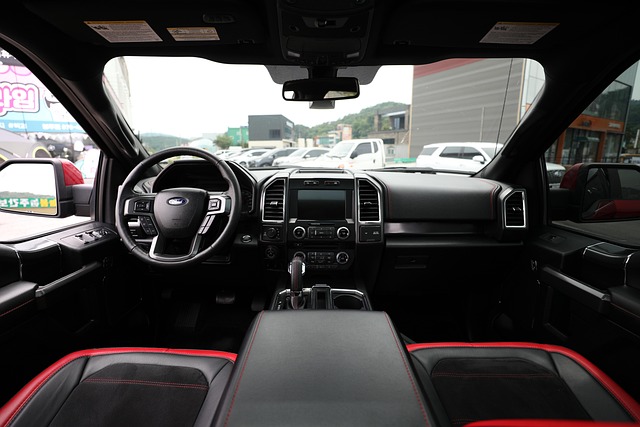
Before registering your car in California, it’s crucial to ensure your vehicle is ready for inspection. One vital step in this process involves verifying your Vehicle Identification Number (VIN). The DMV Vin Verifier plays a critical role here, allowing you to confirm the authenticity and condition of your car before submitting your registration application. This verification method is particularly useful given California’s stringent vehicle regulations.
To prepare your vehicle for registration, start by obtaining a valid VIN from your car’s chassis. You can find it on the driver’s side door frame or consult your vehicle’s owner manual for guidance. Next, utilize a mobile vin verification service or visit a local DMV office to conduct a VIN inspection. These services cross-check your VIN against national databases to provide insights into the vehicle’s history, including any accidents, outstanding loans, or recall issues. For instance, data from the National Motor Vehicle Title Information System (NMVTIS) can reveal hidden problems, ensuring you’re making an informed decision.
By employing a mobile vin inspection or visiting a DMV office with a VIN scanner, you gain peace of mind and reduce the risk of future complications. These methods offer convenience and speed, allowing you to address any issues before officially registering your car. Remember, a thorough VIN check is a smart first step in the registration process, ensuring your vehicle meets California’s standards efficiently and without surprises.
Visit a California DMV Office or Use Online Services

Registering a car in California involves several crucial steps, one of which is visiting either a local DMV office or utilizing their extensive online services. This choice offers convenience and efficiency for California residents, ensuring they can complete their vehicle registration promptly. The process is designed to streamline operations, reduce wait times, and offer alternative methods for those with busy schedules.
For instance, the California Department of Motor Vehicles (DMV) provides an online registration platform where applicants can submit necessary documents digitally, including proof of insurance, identification, and vehicle information. This digital approach has proven popular, as it allows individuals to avoid the often lengthy queues at DMV offices. Additionally, the agency offers a mobile vin inspection service, enabling residents to verify their Vehicle Identification Number (VIN) using a smartphone app or online tool. This innovation ensures that potential issues with vehicle history are identified early in the registration process.
If visiting an office is preferred or necessary, California DMV locations are equipped with specialized staff trained to handle registration procedures. They provide on-site assistance and can guide applicants through any complexities. Moreover, some offices offer services like mobile vin verifier, facilitating a more comprehensive and efficient VIN inspection right at the time of registration. This integrated approach ensures that all documentation is accurately verified, enhancing the overall experience for California car owners.
Complete the Registration Application Form Accurately

Completing the Registration Application Form accurately is a crucial step when registering your car in California. This process involves several key elements to ensure your vehicle meets all legal requirements. Begin by gathering essential documents such as proof of ownership, which can be a certificate of sale or a bill of sale, and valid identification like a driver’s license. The form will require precise information about your vehicle, including its make, model, year, and specific features. It’s crucial to double-check the details against your vehicle’s registration, title, and any insurance documentation to maintain accuracy.
One important aspect to note is the role of the DMV VIN verifier. This tool verifies the Vehicle Identification Number (VIN) of your car, ensuring it matches the records in the Department of Motor Vehicles (DMV) system. Accurate VIN inspection can help prevent fraud and ensure that you’re registering the correct vehicle. Consider using a mobile VIN verifier for added convenience; these apps provide real-time verification, making the process quicker and more efficient.
Moreover, be mindful of any modifications or custom upgrades to your car. The registration application should reflect these changes accurately, as alterations can impact insurance rates, safety regulations, and overall vehicle classification. For instance, if you’ve installed a new engine or modified the chassis, these details must be accurately reported. Inaccurate reporting could lead to legal issues, fines, or even vehicle impoundment.
Before submitting your application, carefully review all information for completeness and accuracy. Double-check for typos, incorrect data entry, or missing fields. A thorough review can prevent delays in processing and potential errors that might arise from rushed or inaccurate submissions. Remember, a well-completed registration application form is the first step toward a smooth car registration process in California.
Pay the Required Fees and Receive Your Registration Papers
After gathering your necessary documents and ensuring your vehicle meets all registration requirements, it’s time to pay the required fees and receive your registration papers. In California, this process involves interacting with the Department of Motor Vehicles (DMV) and can be completed in-person or online. The fee for registering a vehicle varies based on several factors, such as the type of vehicle and whether you’re transferring a registration from out of state. Expect to pay around $50 to $200, depending on circumstances.
One crucial aspect of this process involves verifying the Vehicle Identification Number (VIN). Traditionally, this was done through an in-person inspection at a DMV office. However, with advancements in technology, you can now utilize mobile VIN verification services. These allow you to check your vehicle’s history and ensure it meets California’s requirements remotely. For instance, many online platforms offer mobile VIN inspection, providing instant access to detailed vehicle information, including any outstanding recalls or reported damage.
To streamline the process, consider using a DMV-approved VIN verifier. This can save you time and ensure accuracy. For example, services like CarProof and AutoCheck are recognized by the DMV for providing comprehensive vehicle history reports. Additionally, some auto repair shops and service centers offer mobile vin inspection services, making it even more convenient. These options not only facilitate registration but also give you peace of mind by revealing any potential issues early on.
Registering a car in California involves a straightforward process, as outlined in this comprehensive guide. Key takeaways include gathering essential documents, accurately preparing your vehicle’s VIN using a DMV Vin Verifier, completing application forms, and paying required fees. By following these steps diligently, you ensure a smooth registration experience. Next steps recommend regularly reviewing the DMV’s updated requirements and utilizing online services for added convenience. This article empowers California residents with the knowledge to navigate car registration confidently, ensuring their vehicles are legally compliant and ready to hit the road.