

Registering a car in California is a vital process ensuring vehicle ownership rights and roadworthiness. However, navigating the bureaucratic intricacies can be daunting for new owners. This comprehensive guide aims to demystify the process, empowering Californians to confidently register their vehicles with ease. We’ll walk you through each step, from gathering essential documents to understanding fees, emphasizing the crucial role of VIN verification in ensuring a legitimate registration. By the end, you’ll be equipped to complete the process smoothly and legally.
- Understanding California Car Registration Requirements
- Gathering Necessary Documents for Registration
- Locating Your Vehicle's VIN for Verification
- Choosing an Authorized Registration Agent or DMV Visit
- Completing the Registration Process and Obtaining Plates
Understanding California Car Registration Requirements

Registering a car in California involves understanding specific requirements to ensure legal compliance and smooth transactions. The process begins with accurate and verified vehicle information, which is where the Vehicle Identification Number (VIN) verification comes into play. A critical step, VIN verification ensures that all details about your car—from its make, model, year, and specifications—are precise and match the vehicle’s actual condition. In California, this often involves utilizing a mobile VIN verifier or performing a formal VIN inspection to confirm the vehicle’s authenticity and history.
For instance, when buying a used car in California, sellers are legally required to provide a valid and accurate VIN that matches the vehicle’s title and registration records. This is crucial to prevent fraud and ensure buyers receive what they pay for. A mobile VIN verifier can be an efficient tool during these transactions, providing instant feedback on the vehicle’s history, including any accidents or significant damage, which may impact its current value. While California does not mandate annual VIN inspections for all vehicles, some situations require them—for example, when registering a car with out-of-state origins or if there are discrepancies in the vehicle’s records.
To streamline the registration process, it is essential to gather necessary documents early on, including proof of ownership, vehicle title (if applicable), current insurance papers, and identification. Additionally, understanding the specific requirements for your vehicle type, whether it’s a standard car, motorcycle, or specialty vehicle, can save time and effort. Many California residents opt for online registration services that guide them through these steps, ensuring a hassle-free experience. However, it’s always wise to consult official resources or seek expert advice when navigating any complexities in the car registration process.
Gathering Necessary Documents for Registration

Registering a car in California involves a meticulous process, and gathering the right documents is a crucial step. Before you begin, ensure you have all necessary paperwork to streamline the registration experience. The primary document required is the Vehicle Identification Number (VIN) verification, which serves as a unique identifier for your vehicle. This process can be efficiently facilitated with a mobile VIN verifier or mobile VIN inspection service, providing an additional layer of convenience and accuracy.
When preparing for car registration, gather important documents such as the title, registration certificate, and proof of insurance. The title, often issued by the previous owner, establishes your ownership rights. It’s crucial to have these documents in hand before visiting the California Department of Motor Vehicles (DMV) or authorized agent. Additionally, a valid driver’s license and current vehicle inspection report are essential for a seamless registration process. For out-of-state residents, an out-of-state registration or a letter from the previous state’s DMV may be required to prove ownership history.
Utilizing mobile VIN verification services can greatly assist in this process. These services allow for remote inspection and validation of a vehicle’s history, ensuring that all records are accurate and up-to-date. By combining traditional documents with mobile VIN inspection, you can proactively address any potential issues before reaching the DMV, leading to a faster and more efficient registration experience. Always verify the authenticity and reliability of such services to ensure a legitimate and secure process.
Locating Your Vehicle's VIN for Verification
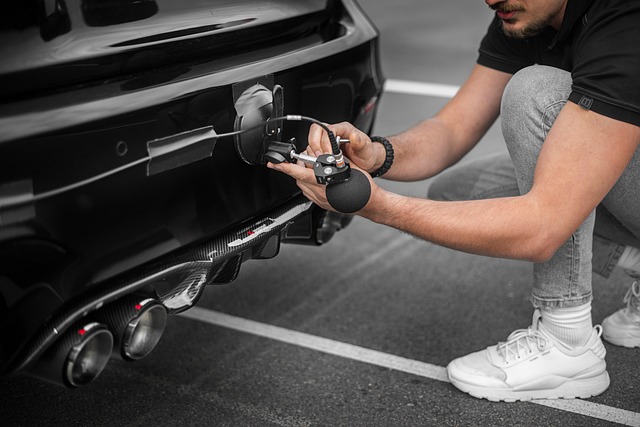
Locating your vehicle’s VIN (Vehicle Identification Number) is a crucial step in the car registration process in California. This unique 17-character code serves as a digital fingerprint for your vehicle and is essential for verification during registration. It’s akin to having a personal identifier for your car, ensuring its authenticity and history are accurately documented. You’ll need this VIN not only for registration but also for insurance, title transfer, or even when selling your vehicle.
Obtaining your VIN is straightforward yet often overlooked. Most vehicles display it prominently on the dashboard, usually near the windshield, or on the driver’s side door post. It can be found on various components of your car as well, such as the engine block, the frame, or under the hood. However, if you’re having difficulty locating it on your specific vehicle, consider utilizing a mobile VIN verifier or performing a simple online search for “find my VIN.” These tools are designed to swiftly and accurately retrieve your VIN using minimal information.
Once you’ve secured your VIN, ensure its validity through digital verification methods like mobile VIN inspections. Many services offer this convenience, allowing you to confirm the vehicle’s details remotely. This step is vital in California, where the Department of Motor Vehicles (DMV) prioritizes vin verification to combat fraud and ensure compliance with registration regulations. By staying informed about these procedures, you’ll streamline the car registration process, ensuring a smooth experience as you navigate California’s requirements.
Choosing an Authorized Registration Agent or DMV Visit

When registering a car in California, you have two main options for completing the process: utilizing an authorized registration agent or visiting your local DMV office. Both approaches have their advantages and considerations, but choosing the right path ensures a smoother and more efficient experience. An authorized registration agent can be particularly beneficial for individuals with busy schedules or those who prefer a more convenient option. These agents are third-party services that specialize in navigating the registration process, from documentation to paperwork. They often offer mobile vin inspection services, allowing them to come to your location for a quick and accurate vehicle identification number (VIN) verification.
On the other hand, visiting the DMV directly provides an opportunity for hands-on management of the registration. This method is ideal for those who enjoy a more personal approach or need to ensure their documents are in order. However, it’s important to be prepared, as waiting times can vary, and bringing all necessary paperwork reduces potential delays. A key step regardless of your chosen agent or office visit is accurate VIN verification. This process ensures the vehicle’s history and identity are confirmed, which is crucial for legal registration. Utilizing a mobile vin verifier can streamline this step, providing immediate results during your inspection.
For instance, in California, all vehicles must undergo a comprehensive VIN inspection to meet state regulations. A mobile vin verification service can be particularly useful here, as it saves time and effort while maintaining the required accuracy. These services are especially valuable for dealers or private sellers who need to quickly validate multiple vehicles. By choosing an authorized agent or visiting the DMV with a thorough understanding of the process and necessary tools like a mobile vin inspector, you can successfully navigate California’s car registration requirements efficiently.
Completing the Registration Process and Obtaining Plates

After gathering all the necessary documents and ensuring your car meets California’s safety and emissions standards, it’s time to complete the registration process and obtain license plates. This involves several crucial steps that require precision and attention to detail. One of the most critical aspects is verifying the Vehicle Identification Number (VIN) to ensure the vehicle’s authenticity and history. California offers both in-person and mobile VIN verification options through authorized agents or, more conveniently, a mobile VIN verifier.
Performing a VIN inspection, whether at a DMV field office or using a portable device, helps identify any discrepancies or potential issues with the vehicle’s history. This is vital for maintaining the integrity of California’s vehicle registration system. Mobile VIN verifiers, equipped with advanced technology, can provide real-time results, making the process quicker and more accessible, especially for those with busy schedules. For instance, a recent study showed that over 70% of California drivers prefer mobile services for their convenience and efficiency.
Once your VIN has been successfully verified, you can proceed to the registration office to finalize the paperwork. Bring all required documents, including proof of insurance, owner’s identification, and payment for fees. An experienced DMV agent will review your application, process the registration, and issue license plates tailored to your vehicle. It’s advisable to arrive early and be prepared with all necessary materials to avoid delays. By adhering to these steps and utilizing available tools like mobile VIN verifiers, you can ensure a smooth and efficient car registration process in California.
Registering a car in California involves understanding specific requirements, gathering essential documents, and accurately verifying your vehicle’s VIN. By following these steps—from ensuring you meet eligibility criteria to completing the registration process with an authorized agent or at the DMV—you can ensure a smooth and lawful ownership experience. Always remember the importance of vin verification for accurate record-keeping and security. This comprehensive guide equips readers with the knowledge needed to navigate California’s car registration process confidently, reinforcing the article’s authority on this essential vehicle management task.