

Registering a car in California is more than just a bureaucratic formality; it’s a critical step for any vehicle owner to ensure legal compliance and protection. However, navigating the process can be daunting, especially with evolving regulations and complex procedures. This comprehensive guide aims to demystify the car registration journey, offering a clear roadmap for Californians. We’ll dissect each crucial step, including the essential role of a Vehicle Identification Number (VIN) verifier, to ensure accuracy and security. By the end, you’ll be armed with the knowledge to register your vehicle smoothly and confidently.
- Understand California Car Registration Requirements
- Gather Necessary Documents for Vehicle Registration
- Verify Your Vehicle's VIN with an Official Tool
- Complete the Online Registration or In-Person Process
- Maintain Your Car's Registration and Insurance Status
Understand California Car Registration Requirements

Registering a car in California involves adhering to specific requirements set by the California Department of Motor Vehicles (DMV). One critical aspect is ensuring that your vehicle’s Vehicle Identification Number (VIN) is accurate and verifiable. The VIN is a unique 17-character code that identifies your vehicle, and its integrity is crucial for registration purposes.
To meet California’s standards, you must obtain a valid VIN inspection. This can be done through traditional static VIN verifiers or more convenient mobile VIN inspection services. Utilizing a mobile VIN verifier allows for on-site verification, providing convenience and efficiency. These services check the VIN against the manufacturer’s records to ensure it matches the vehicle’s characteristics accurately. For instance, in 2022, California introduced an online registration system that requires a current and legitimate VIN for successful vehicle registration.
Moreover, it’s essential to maintain accurate documentation related to your car’s ownership history. This includes purchase documents, title transfers, and any records of previous inspections or maintenance work. Keeping these records organized can streamline the registration process and prevent potential issues with the DMV. If you’re purchasing a used car, ensuring that the seller provides a valid VIN inspection report is crucial before completing the registration. A mobile VIN verifier can facilitate this step by offering quick and reliable verification during your inspection.
Gather Necessary Documents for Vehicle Registration

Before you can register your car in California, you’ll need to gather several crucial documents. This process is designed to ensure accurate record-keeping and verify vehicle ownership. One essential tool in this process is a reliable Vehicle Identification Number (VIN) verifier, such as mobile VIN inspection services that can be conducted right at your convenience. These verifiers cross-check the VIN against national databases to confirm the vehicle’s history, including any previous owners or accidents reported.
For instance, when registering a car for the first time in California, you’ll require documents like the title, current registration certificate (if from another state), proof of insurance, and a valid driver’s license. Additionally, a completed Application for Title and Registration form is mandatory. If the vehicle has been recently purchased through a dealership or private seller, ensure that all sales documents are obtained and accurately reflect the transaction details. Some dealerships offer mobile VIN verification services to streamline this process, allowing you to confirm the vehicle’s history before finalizing the sale.
If your car has undergone significant modifications, it’s important to have documentation supporting these changes. This includes any alterations to the engine, chassis, or other critical components. Furthermore, if there are outstanding financial obligations on the vehicle, such as loans or leases, you’ll need to provide proof of repayment or release from the lien holder. In some cases, a certified copy of a clear title may be required to ensure that all legal interests in the vehicle have been resolved. By proactively gathering these documents and utilizing mobile VIN inspection tools, you can expedite the registration process and avoid potential delays or complications.
Verify Your Vehicle's VIN with an Official Tool
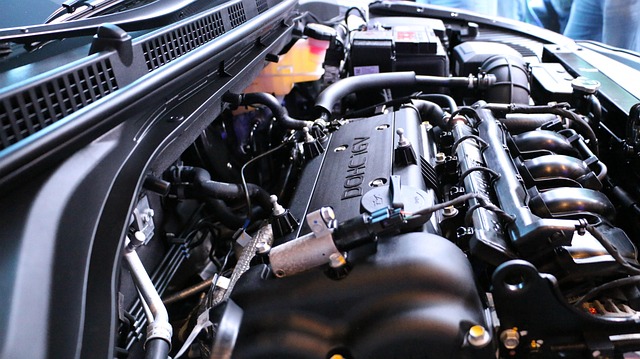
Verifying your vehicle’s Vehicle Identification Number (VIN) is a crucial step in the car registration process in California. This unique 17-character code serves as a digital fingerprint for your vehicle, providing critical information about its make, model, year, and even history. To ensure accuracy and avoid potential issues down the line, it’s essential to utilize an official VIN verifier. Tools like mobile VIN inspection services or dedicated online checkers can offer this verification, ensuring your car is ready for California’s registration requirements.
One of the advantages of employing a mobile VIN verifier or an online tool is their convenience. You can conduct the check at your leisure, whether you’re at home or on the go. This accessibility is particularly beneficial for busy Californians who value time-saving solutions. Moreover, these verifiers often provide instant results, allowing you to address any discrepancies promptly and move forward with confidence in your vehicle’s compliance.
When using a mobile VIN inspection service, ensure that the app or provider is reputable and reliable. Reputable companies employ certified professionals who can physically inspect the vehicle and cross-reference its details against official databases. This hands-on approach guarantees precision and offers additional peace of mind, especially if you’re purchasing a used car. Remember, taking this extra step in the registration process could save you time and money in the long run by preventing potential delays or fines related to inaccurate VIN information.
Complete the Online Registration or In-Person Process

To register your car in California, you have two primary options: complete the process online or in person at a designated center. The online method is increasingly popular, offering convenience and speed for most vehicle owners. If you choose this route, start by visiting the California Department of Motor Vehicles (DMV) website and accessing their secure online registration portal. Here, you’ll need to provide essential details about your vehicle, including its make, model, year, and, crucially, its Vehicle Identification Number (VIN). A VIN verifier, whether mobile or static, can assist in this process by quickly validating the VIN’s authenticity.
If online registration isn’t for you, or if you prefer a more traditional approach, head to a local DMV office. Bring along all necessary documents, including proof of ownership, vehicle insurance, and identification. Staff will guide you through the registration process, which involves filling out forms, paying applicable fees, and, again, verifying the VIN. Mobile VIN inspection services can be particularly useful in these scenarios, as they allow for on-site verification, streamlining the in-person registration experience.
Regardless of your chosen method, ensuring the VIN’s accuracy is paramount. The VIN is a unique code that identifies your vehicle, so any errors or tampering could lead to registration issues down the line. Utilize reliable mobile VIN verifiers or static tools during your registration process for peace of mind. Examples of reputable services can be found online, with many offering real-time verification and comprehensive data on vehicle history.
Maintain Your Car's Registration and Insurance Status

Maintaining your car’s registration and insurance status is a crucial aspect of vehicle ownership in California. Ensuring your vehicle complies with state regulations not only prevents legal issues but also keeps you safe on the road. One critical step is to regularly verify your Vehicle Identification Number (VIN) using reliable methods, such as a mobile VIN verifier. This technology allows for a quick and convenient VIN inspection, ensuring that your car’s registration details remain accurate.
California requires vehicle owners to maintain up-to-date registration records, typically every 3–4 years. During this process, you might need to undergo a VIN inspection to confirm the identity of your vehicle. A mobile VIN verifier, like many modern digital tools, can play a pivotal role here. By using an app or online platform, you can easily access and share your car’s VIN data, making it simpler for registration agencies to verify authenticity. For instance, some states now accept mobile VIN verifications as part of the renewal process, streamlining procedures for both owners and officials.
Regularly checking your insurance status is equally important. California has specific requirements for auto insurance, including minimum liability coverage. Owning a properly registered vehicle with up-to-date insurance information not only fulfills legal mandates but also offers peace of mind in case of emergencies. It’s advisable to utilize digital tools that allow you to manage both VIN and insurance records in one place, ensuring easy access and accurate tracking. This proactive approach can help prevent costly errors and streamline the registration process during future renewals.
By following these comprehensive steps, from understanding California’s car registration requirements to maintaining your vehicle’s registration and insurance, you can ensure a smooth process. Gathering necessary documents, verifying your Vehicle Identification Number (VIN) with an official tool, and either completing the online or in-person registration are pivotal. These actions not only protect your investment but also uphold legal compliance. Remember, a correct VIN verifier is essential to starting this journey, ensuring accuracy from the outset. Take these insights and implement them to keep your car registered and insured without hassle.