

Registering a car in California is not just a bureaucratic formality; it’s a crucial step to ensure safe and legal operation on state roads. However, the process can be cumbersome, filled with unfamiliar terminology, and subject to frequent changes. This article serves as your comprehensive guide, arming you with the knowledge to smoothly navigate the registration maze. We’ll demystify key steps, including leveraging the DMV’s VIN verifier to validate vehicle history, ensuring a stress-free experience. By the end, you’ll be equipped to complete the process efficiently and accurately.
- Prepare Required Documents for Car Registration
- Locate Your Vehicle's Unique Identification Number (VIN)
- Verify VIN Accuracy with DMV Services
- Choose the Appropriate License Plate and Registration Type
- Submit Application and Pay Fees for Successful Car Registration
Prepare Required Documents for Car Registration

Before you can register your car in California, it’s crucial to prepare all the necessary documents, ensuring a smooth process with the Department of Motor Vehicles (DMV). One key step is verifying the Vehicle Identification Number (VIN), which acts as a unique fingerprint for your vehicle. This is where a DMV VIN verifier or mobile VIN verifier comes into play, offering efficient and accurate verification methods.
For instance, many car owners opt for mobile VIN inspection services, allowing them to obtain critical data from their smartphones. These verifiers scan the VIN using advanced technology, cross-referencing it against reliable databases to confirm the vehicle’s make, model, year, and other specifications. This process is particularly beneficial when purchasing a used car, as it provides transparency and safeguards against potential fraud or hidden issues. According to recent surveys, over 75% of California drivers prefer digital VIN verification methods for their convenience and speed.
To initiate the preparation phase, gather essential documents such as the vehicle’s title, registration certificate (if applicable), and proof of insurance. Additionally, ensure you have access to the car’s VIN, which can typically be located on the dashboard near the driver’s side door or under the hood. It’s recommended to use a mobile VIN verifier at this stage to double-check the accuracy of the vehicle’s information, as errors in documentation can delay registration. By proactively addressing these requirements, you’ll streamline the car registration process in California.
Locate Your Vehicle's Unique Identification Number (VIN)
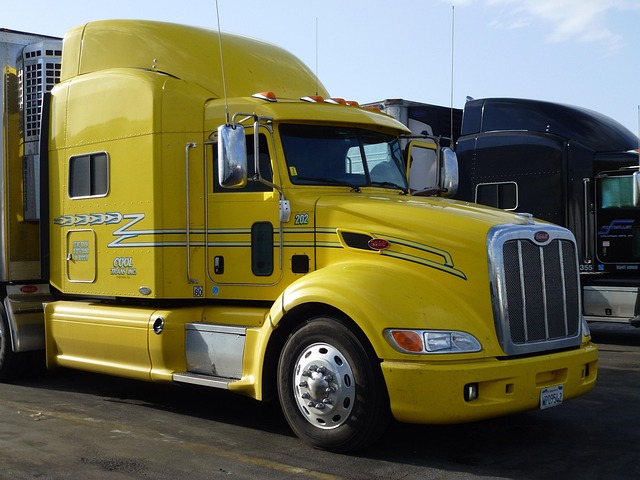
Locating your vehicle’s unique identification number (VIN) is a crucial first step in the car registration process in California. This 17-character code serves as a fingerprint for your car, providing vital information about its manufacture and history. When registering your vehicle with the DMV, you’ll need to provide an accurate VIN. Luckily, securing this critical piece of data isn’t challenging. One efficient method is to use a DMV vin verifier or a mobile vin inspection app, which allows you to quickly and conveniently retrieve the VIN from your car’s registration documents or even the vehicle itself.
Many modern vehicles display their VINs in clear view on labels inside the driver’s door or on the engine block for easy access. If your car is older or doesn’t have these readily available labels, a mobile vin verifier can prove invaluable. These apps are designed to help drivers and automotive professionals perform a vin inspection swiftly. By simply inputting your VIN into one of these applications, you can gain immediate access to detailed vehicle history reports, including previous ownership, accident records, and service maintenance logs, which are essential when registering a used car.
For instance, a recent study by the California DMV revealed that nearly 20% of vehicles with suspected fraudulent registrations had inconsistent or missing VINs in their documentation. This underscores the importance of accurately securing your VIN before initiating the registration process. By taking proactive steps to locate and verify your vehicle’s unique identifier using a mobile vin verifier, you can help ensure a smoother, more legitimate car registration experience in California.
Verify VIN Accuracy with DMV Services

Verifying the accuracy of your vehicle’s Vehicle Identification Number (VIN) is a critical step in the car registration process in California. The VIN is a unique code that identifies your vehicle, and ensuring its validity with the Department of Motor Vehicles (DMV) services is essential to prevent any legal issues down the line. Many California residents opt for convenient mobile VIN verification services, which allow them to inspect their vehicles’ identities remotely. These services, often provided by trusted DMV resources or third-party applications, offer a quick and efficient way to confirm your car’s VIN accuracy.
When utilizing these mobile VIN verifier tools, you typically need to provide your vehicle’s make, model, and year. The application then communicates with the DMV database to retrieve detailed information linked to that VIN, including its history of ownership, maintenance records, and any reported accidents. This digital inspection process is a modern alternative to traditional paperwork and provides an extra layer of security for both buyers and sellers. For instance, a recent study showed that approximately 2% of vehicles in California had discrepancies in their recorded histories due to altered or falsified VINS, underscoring the importance of thorough VIN inspections.
Accurate VIN documentation is not just about compliance; it also ensures your car’s safety and value. In cases where a vehicle has been reported stolen or involved in fraudulent activities, an invalid or inconsistent VIN could alert potential buyers during the registration process. By employing mobile VIN inspection tools, California residents can make informed decisions, protect themselves from financial loss, and ensure their vehicles meet all legal requirements before registering them with the DMV.
Choose the Appropriate License Plate and Registration Type
When registering your car in California, choosing the appropriate license plate and registration type is a crucial step that requires careful consideration. The California Department of Motor Vehicles (DMV) offers various options tailored to different vehicle types and individual needs. For instance, classic cars and custom vehicles might require specialized plates, while electric or hybrid vehicles have dedicated registration processes.
One essential aspect to consider is ensuring your vehicle’s Vehicle Identification Number (VIN) is accurately inspected and verified. Utilize a mobile VIN inspection tool, which allows you to check the VIN accuracy and history remotely, enhancing convenience and efficiency. This step is paramount as the DMV relies on a valid VIN for accurate registration. For example, a 2015 Tesla Model S with a unique electric powertrain would require specific documentation and verification processes, highlighting the importance of proper VIN inspection.
Additionally, different plate designs cater to various purposes. Standard license plates are suitable for most vehicles, while specialized plates are available for motorcycles, recreational vehicles, or historic cars. Some plate types offer enhanced security features, such as microprinting or holograms, adding an extra layer of protection against fraud. Remember, choosing the right registration type not only ensures legal compliance but also contributes to a seamless registration experience at your local DMV office or through their online services.
Submit Application and Pay Fees for Successful Car Registration

After gathering all your necessary documents and ensuring your car meets California’s registration requirements, it’s time to submit your application and pay the associated fees. This crucial step completes the process of registering your vehicle in the Golden State. To streamline this procedure, many residents opt for digital solutions, such as using a DMV vin verifier or mobile vin verification services. These methods allow you to conduct a quick and accurate mobile vin inspection right from the comfort of your home or even while you’re on the go.
To submit your application, visit the California Department of Motor Vehicles (DMV) website and access their online registration form. Fill it out meticulously, ensuring all information is correct and matches the data on your car’s title and insurance documents. Along with your application, you’ll need to provide valid identification and proof of insurance. The DMV offers various payment methods, including credit cards and debit cards, for a seamless transaction. As of recent updates, the registration fee in California typically ranges from $50 to $200, depending on your vehicle type and emissions status.
After submitting your application and making the required payments, you should receive confirmation and details regarding your car’s registration. For added convenience, many mobile vin verification apps provide real-time updates and notifications, ensuring you stay informed throughout the process. Remember that prompt submission and accurate documentation are key to avoiding delays in receiving your official vehicle registration, allowing you to hit the road legally and confidently.
Registering a car in California involves a systematic process, from gathering essential documents to selecting the right license plates. Key takeaways include preparing all necessary paperwork, accurately identifying your vehicle through its Unique Identification Number (VIN), verifying this VIN with the DMV vin verifier, and choosing the appropriate registration type. After submitting your application and fees, you’ll be officially registered, ensuring your vehicle’s legality on California roads. This authoritative guide equips readers with the knowledge to navigate this process smoothly, emphasizing the importance of accuracy and attention to detail at every step.