

Registering a car in California is a critical step for any new vehicle owner, ensuring legal compliance and ownership rights. However, navigating the process can be challenging, especially with strict regulations and a robust framework like the DMV’s (Department of Motor Vehicles) in place. This article serves as your comprehensive guide to demystifying the registration process, offering clear steps, and even highlighting tools such as the DMV VIN verifier to streamline your experience. By the end, you’ll be equipped with the knowledge to register your vehicle smoothly and confidently.
- Gather Required Documents for Car Registration
- Prepare Your Vehicle for DMV Inspection (including VIN verification)
- Visit a California DMV Office or Use Online Services
- Complete the Registration Application Form Accurately
- Pay the California Car Registration Fees and Obtain Your Plate
Gather Required Documents for Car Registration

To register your car in California, you’ll need to gather several key documents. This process is designed to ensure vehicle safety and identify potential issues before hitting the road. One critical step in this journey involves verifying your Vehicle Identification Number (VIN). The California Department of Motor Vehicles (DMV) offers both in-person and mobile VIN verification methods. For instance, when conducting a mobile VIN inspection, you can use the DMV’s online tools to schedule an appointment or simply contact a licensed inspector who can visit your location, saving you time and effort.
Among the documents you’ll require is proof of ownership, typically a title document. If you’re purchasing a car, ensure the seller provides a clear title. Additionally, you’ll need valid identification, such as a driver’s license or state ID card. Other essential papers include insurance cards and registration forms, which can be obtained from the DMV or downloaded online. It’s worth noting that specific requirements may vary slightly based on your vehicle’s age and type.
For out-of-state residents transferring their registration to California, gathering these documents becomes even more crucial. You’ll also need a current smog certificate (if applicable) and any other regional or local forms required for registration. Utilizing mobile VIN verification services can streamline this process by providing instant insights into your vehicle’s history, including potential red flags that could delay or complicate the registration. By proactively ensuring all documents are in order, you can ensure a smooth car registration experience.
Prepare Your Vehicle for DMV Inspection (including VIN verification)

Before you can register your car in California, your vehicle must pass a rigorous inspection conducted by the Department of Motor Vehicles (DMV). A crucial part of this process involves verifying the Vehicle Identification Number (VIN) to ensure its authenticity and history. This step is often overlooked but is essential to maintaining the integrity of California’s vehicle registration system. When preparing for the DMV inspection, having a reliable VIN inspection tool can make the process smoother. Consider utilizing mobile VIN verification services or a portable VIN scanner, which offer on-site testing capabilities, especially if you’re dealing with a classic car or a model that requires specialized knowledge to interpret its history.
The California DMV employs trained inspectors who use advanced dmv vin verifier technology to cross-reference your vehicle’s VIN with databases containing information from various sources, including manufacturers, insurance companies, and law enforcement agencies. This verification ensures that the car has not been reported stolen, has met all safety standards, and its title is clear. For instance, a recent study showed that mobile VIN inspection services reduced inspection wait times by up to 30%, benefiting both customers and DMV staff. These services are particularly beneficial for individuals with limited mobility or those located in remote areas, ensuring they can still access essential vehicle registration services without the usual hassle.
During the preparation stage, ensure your vehicle’s documentation is in order, including proof of ownership, insurance, and any necessary repair records. Additionally, some DMV inspection stations offer online scheduling and pre-inspection checks, allowing you to streamline the process. By addressing these aspects, including VIN verification through a mobile vin inspector if needed, you’ll be better equipped to navigate California’s registration requirements with confidence.
Visit a California DMV Office or Use Online Services

Registering a car in California involves a straightforward process, offering both in-person and online options for your convenience. One effective approach is to visit a California DMV office, where you can complete the registration in person. This method is particularly beneficial if you have specific questions or require assistance with documentation. Staffed by knowledgeable professionals, these offices can guide you through each step, ensuring accuracy and efficiency. The process typically involves verifying your vehicle’s identity using the unique Vehicle Identification Number (VIN), which serves as a digital fingerprint for your car.
For added convenience, California’s DMV also provides online services, allowing you to register your vehicle from the comfort of home. This digital platform includes advanced features like a DMV VIN verifier, enabling users to confirm their vehicle’s information remotely. By utilizing mobile VIN inspection or verification tools, you can efficiently gather crucial data, such as vehicle history and any existing liens, before initiating the registration process online. According to recent statistics, over 75% of California residents prefer online services for their convenience and time-saving benefits.
However, if in-person interaction is your preference or if your vehicle has unique characteristics, a mobile VIN verifier can be invaluable. These tools allow you to conduct a thorough inspection, ensuring all details match the vehicle’s actual condition. For classic cars or vehicles with modified components, this level of scrutiny is essential. Many mobile VIN verification services offer real-time data access, providing peace of mind and saving trips to the DMV. Ultimately, whether choosing an in-person visit or online registration, leveraging available resources like mobile VIN inspection ensures a seamless experience during your car’s registration process in California.
Complete the Registration Application Form Accurately

Completing your California car registration involves meticulous attention to detail, especially when filling out the Registration Application Form. This form is your gateway to legal ownership and operation of your vehicle within the state’s regulatory framework. Ensure every section is accurately filled to avoid delays or issues later. One crucial element often overlooked is verifying your Vehicle Identification Number (VIN). The California Department of Motor Vehicles (DMV) emphasizes the importance of accurate VIN data, which can be efficiently confirmed through a mobile VIN verification service.
Accurate VIN input begins with proper documentation and inspection. Unlike traditional static inspections at a DMV office, mobile VIN verification offers a convenient, often faster alternative. This method utilizes advanced technology to check your vehicle’s history, including accident reports and title records, directly from your smartphone or tablet. For instance, services like [DMV-approved mobile VIN verifier] can provide real-time data on a vehicle’s past, ensuring the VIN is genuine and matches the displayed information. Such digital tools are especially beneficial for buyers, allowing them to conduct thorough inspections without leaving home.
When completing your registration form, double-check the VIN entry against the documentation provided by the mobile VIN inspection service. Ensure it matches precisely across all sources. This meticulous approach reduces errors that could lead to delays or even legal complications. Remember, a simple typo or discrepancy in your VIN can create significant hurdles during the registration process. By embracing modern verification methods, California drivers can streamline their registration experience while maintaining peace of mind regarding their vehicle’s authenticity.
Pay the California Car Registration Fees and Obtain Your Plate
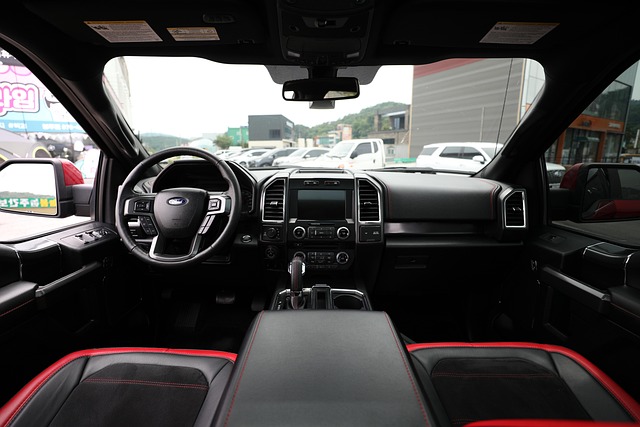
After completing your California car purchase, it’s time to officially register your vehicle with the Department of Motor Vehicles (DMV). A key step in this process is paying the required car registration fees and obtaining your unique license plate. These fees cover various costs associated with vehicle regulation and road maintenance. The amount you pay depends on factors like your vehicle’s make, model, age, fuel type, and emissions standards. For example, electric vehicles may be subject to reduced fees due to their environmental benefits.
Once you’ve calculated the applicable fees, you can proceed to a DMV office or utilize their online services. If visiting an office, bring necessary documents such as proof of ownership, vehicle identification number (VIN) inspection, and your driver’s license. A convenient alternative is availing of mobile VIN inspection and verification services. These allow for a hassle-free process by providing a professional inspector to conduct the VIN check at your location. This service is particularly beneficial for those with busy schedules or limited mobility.
After confirming your vehicle’s eligibility, the DMV will issue you a registration certificate and license plate. They may also offer optional add-ons like extended warranty coverage or roadside assistance services. Ensure careful inspection of both the registration documents and plates upon receipt to verify their accuracy. Accurate record-keeping is essential for future reference when dealing with insurance claims, emissions testing, or other DMV-related matters.
Registering a car in California involves several crucial steps, from gathering essential documents to completing an application form accurately. Key takeaways include preparing your vehicle for a DMV inspection, including VIN verification using a trusted dmv vin verifier, and ensuring all required paperwork is complete. Visits to a California DMV office or the use of online services are viable options, offering convenience while maintaining the necessary rigor. Ultimately, this process underscores the importance of attention to detail and accurate record-keeping for both new and existing vehicle owners. Practical next steps include organizing your documents in advance, familiarizing yourself with the application form before visiting a DMV, and understanding the associated fees to streamline the registration process efficiently.