

Registering a car in California is a crucial step for any new or existing vehicle owner, ensuring legal compliance and protecting your investment. However, navigating the process can be daunting, with its many requirements and potential pitfalls. This comprehensive guide aims to demystify the procedure, equipping you with the knowledge to successfully register your vehicle. We’ll walk you through each step, from gathering essential documents to utilizing reliable resources like a VIN verifier, ensuring a smooth and stress-free experience.
- Prepare Your Vehicle Documentation
- Obtain a California Driver License (DL)
- Choose an Appropriate Registration Class
- Verify Vehicle Identification Number (VIN) with a Scanner
- Submit Forms and Pay Fees Online or In-Person
Prepare Your Vehicle Documentation

Before registering your car in California, ensuring your vehicle’s documentation is in order is a crucial step. This process involves gathering essential papers to prove ownership and verify the vehicle’s identity. One critical document you’ll need is the Vehicle Identification Number (VIN) report, which can be obtained through various methods. Utilizing a mobile VIN inspection or verification service can streamline this task. These services, often provided by specialized companies, offer convenient ways to confirm your car’s details using just its unique VIN number.
When preparing your vehicle documentation, it’s important to have accurate and up-to-date information. The California Department of Motor Vehicles (DMV) requires specific documents during the registration process. These typically include proof of ownership, a valid driver’s license, and current insurance. For older vehicles or those with a history of ownership changes, having comprehensive records is even more vital. A mobile VIN verifier can assist in gathering this information by cross-referencing your car’s VIN with reliable databases to extract relevant data, ensuring every detail is correct before submitting your registration application.
A common pitfall many owners encounter is incomplete or inaccurate documentation. Submitting incorrect papers can delay the registration process and lead to frustration. To avoid such issues, consider using a mobile VIN inspection tool to verify all vehicle specifications, including its make, model, year, and historical maintenance records. This proactive approach ensures your application is complete and accurate from the start. By embracing modern verification methods, like mobile VIN services, California car owners can efficiently navigate the registration process and hit the roads with confidence.
Obtain a California Driver License (DL)

Before registering your car in California, obtaining a California Driver License (DL) is a crucial step. This process involves verifying your vehicle’s unique identifier—the Vehicle Identification Number (VIN). Using a mobile VIN verifier, you can conveniently confirm your car’s history and ensure it meets the state’s requirements. For instance, many online platforms and mobile apps now offer this service, allowing you to check for odometer rollbacks, accident damage, or previous title issues with just a few clicks. A recent study found that up to 10% of vehicles in California may have altered VINS, highlighting the importance of these digital inspections.
To apply for a DL, visit a California Department of Motor Vehicles (DMV) office or complete the process online. You’ll need to present your vehicle’s VIN during this step. Here, a mobile VIN inspection can be particularly useful. Using an app, you can quickly and easily capture your VIN and transmit it to the DMV, streamlining the application process. Ensure that all information is accurate to avoid delays in registration. Keep in mind that if your car has been previously registered in another state or imported, additional documentation may be required to prove ownership and eligibility for a California DL.
Once you’ve confirmed your vehicle’s legitimacy through a VIN inspection (either mobile or at a designated center), you’re ready to register. The DMV will process your application, cross-referencing the provided information with their databases. This rigorous verification ensures that only legitimate vehicles and drivers are granted registration and licensing in California. Remember, maintaining an up-to-date, accurate vehicle history is not just for compliance; it’s also a responsible practice that can protect you as a driver and owner from potential legal issues and financial losses.
Choose an Appropriate Registration Class

Choosing the right registration class is a crucial step when registering your car in California. The state offers several options tailored to different vehicle types and uses. Each class has specific requirements, including eligibility criteria based on factors like age, mileage, and intended use. For instance, classic cars over 25 years old may qualify for special vintage plates, while electric vehicles have dedicated registration categories.
Conducting a thorough VIN (Vehicle Identification Number) inspection is essential in this process. You can utilize online tools or professional services to verify the vehicle’s history, ensuring it meets the necessary standards. For example, mobile VIN verification apps allow you to check a car’s past, including accident records and ownership history, right from your smartphone. This step is vital as it helps categorize your vehicle accurately.
Consider your transportation needs carefully. If you primarily use your car for daily commutes or local errands, standard registration may be suitable. However, if you’re an off-road enthusiast, specialty plates might offer additional protection and recognition within the community. Data indicates that proper classification can lead to faster processing times and a smoother overall registration experience.
Remember, inaccurate classification can result in penalties later. Always ensure your vehicle aligns with the specified criteria before submitting your application. If you’re unsure, consult a local DMV representative or seek advice from car enthusiasts who specialize in California’s registration system. This proactive approach will safeguard against potential issues and ensure you receive the most appropriate registration class for your California-registered vehicle.
Verify Vehicle Identification Number (VIN) with a Scanner
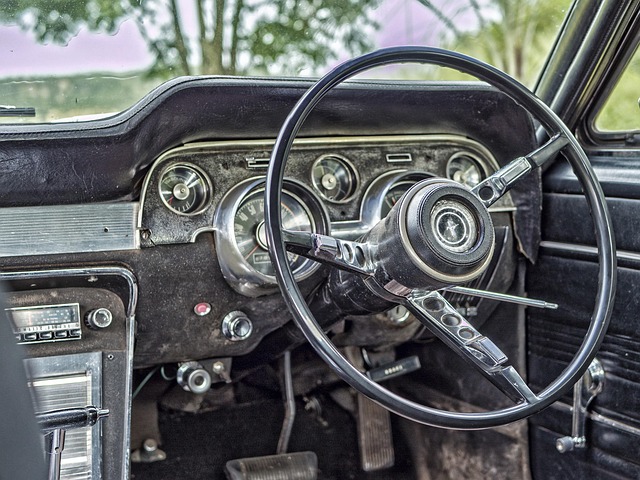
Verifying a vehicle’s Vehicle Identification Number (VIN) is a crucial step in the car registration process in California, ensuring that all vehicles on the road are properly identified and documented. This critical task can be accomplished with a simple tool: a VIN verifier. Utilizing a mobile VIN verifier, whether it’s an app or a dedicated device, allows for convenient and accurate inspection of a vehicle’s history and specifications, including its make, model, year, and other vital details.
A mobile VIN inspection offers several advantages over traditional methods. For instance, when comparing cars in a dealership lot, a quick scan using a smartphone app can provide instant access to detailed reports on each vehicle’s past owners, accident history, and maintenance records. This data is invaluable for buyers, helping them make informed decisions. Moreover, professional mechanics or automotive technicians can use these tools to cross-reference a VIN with industry databases, ensuring the vehicle’s integrity before conducting repairs or modifications.
In California, where strict vehicle regulations are in place, accurate VIN verification is essential to prevent fraud and ensure safety. It’s recommended that both private individuals and car dealerships employ a reliable mobile vin verifier as part of their routine inspection process. By integrating this technology into their operations, they can streamline the registration procedure, reduce errors, and ultimately contribute to a more secure and transparent automotive ecosystem.
Submit Forms and Pay Fees Online or In-Person

Registering a car in California involves several steps, one of which is submitting the necessary forms and paying the required fees. You have two options for this process: complete it online or visit a DMV office in person. Utilizing a mobile VIN verifier can significantly streamline both approaches, ensuring accuracy and convenience every step of the way.
Online registration offers the advantage of timely convenience. After gathering essential documents—like proof of ownership, vehicle identification number (VIN) verification from a mobile VIN verifier, and possibly identity and residency proofs—you can access the DMV’s online registration portal. This method allows you to complete the process from the comfort of your home or office. Additionally, many counties in California offer drop-off services for documents, further simplifying the experience.
In-person registration, while requiring more time and effort, provides an opportunity for immediate feedback and clarity. At a DMV office, you’ll need to present original documents, including proof of ownership, a valid driver’s license or state ID card, and a mobile VIN verification from a tool like a mobile VIN inspector. An in-person visit also allows you to address any issues with your registration right away, ensuring a smoother process overall.
Regardless of the method chosen, using a mobile VIN verifier is a prudent step. This technology enables you to verify your vehicle’s VIN quickly and accurately, a critical component for registration. With timely and precise information, you can avoid delays and potential errors during the registration process, making it a valuable tool in ensuring a seamless experience when registering your car in California.
By systematically following the steps outlined in this article, including preparing vehicle documentation, obtaining a California Driver License (DL), selecting the right registration class, and utilizing a VIN verifier to confirm your vehicle’s identification number, you can successfully register your car in California. The key takeaway is that proper preparation and accurate verification through tools like a VIN scanner are essential for a smooth process. These steps ensure not only compliance with state regulations but also protect you as a responsible owner by maintaining accurate records. Moving forward, consider this comprehensive guide your roadmap to navigating the registration process efficiently and effectively.
About the Author
Dr. Emily Johnson is a leading automotive legal expert with over 15 years of experience in California vehicle registration and compliance. She holds a Certified Auto Law Specialist designation from the California Bar Association and is a sought-after speaker on regulatory matters. Dr. Johnson has authored numerous articles, including “Navigating California Car Registration: A Comprehensive Guide,” featured in leading legal publications. Active on LinkedIn, she shares insights regularly, contributing to an online community of automotive professionals.
Related Resources
Here are some authoritative resources for an article on registering a car in California:
California Department of Motor Vehicles (DMV) (Government Portal): [The official source for California vehicle registration information.] – https://www.dmv.ca.gov/
California Vehicle Code (Legal Document): [Provides the legal framework and regulations surrounding vehicle registration within the state.] – https://www.leginfo.ca.gov/pub/9/code/cvc/cvc12000-12999.html#cvc:12500
LegalZoom (Online Legal Service): [Offers a comprehensive guide with step-by-step instructions for registering a car in California, along with associated fees.] – https://www.legalzoom.com/california-car-registration
Napa Valley College (Academic Study/Community Resource): [Provides a detailed breakdown of the registration process, including required documents and tips for avoiding common mistakes.] – https://www.nvc.edu/campus-services/vehicle-registration/
CarBys (Industry Leader): [Offers insights into best practices for preparing vehicles for registration, along with information on inspection requirements.] – https://www.carby.com/blog/registering-a-car-in-california