

Registering a car in California is a critical step for any new vehicle owner, ensuring legal compliance and protection. However, navigating the process can be daunting due to its complexity and the myriad of requirements. This article serves as your authoritative guide, meticulously outlining each step involved. From gathering essential documents to understanding fee structures, we’ll walk you through the entire journey. Moreover, we’ll emphasize the significance of DMV VIN verification, a crucial aspect ensuring the authenticity and history of your vehicle. By the end, you’ll be well-equipped to navigate California’s car registration process with confidence and expertise.
- Understand Eligibility & Required Documents for Car Registration in California
- Gather Necessary Information: VIN Verification & Vehicle History
- Choose a Registration Method: Online, In-Person, or By Mail
- Complete the Registration Application: Steps and What to Include
- Pay Registration Fees: DMV Vin Verification & Other Costs Explained
Understand Eligibility & Required Documents for Car Registration in California

Before registering your car in California, understanding the eligibility criteria and required documents is crucial to ensure a smooth process. The California Department of Motor Vehicles (DMV) has specific guidelines that all vehicle owners must adhere to. One of the key steps involves verifying the Vehicle Identification Number (VIN) to establish the car’s authenticity and history. This verification process can be completed through traditional means or, for added convenience, many Californians opt for a mobile VIN verification service.
To register your car, you must first meet certain eligibility requirements. Your vehicle must be legally imported and comply with California safety and emissions standards. The DMV offers detailed guidelines on their website, outlining the necessary steps for both new and used cars. One of the primary checks is ensuring that the VIN on the vehicle matches the one provided in the title or bill of sale. This step is vital to prevent fraud and ensure the car’s ownership history is accurately documented.
Documentation plays a significant role in the registration process. You’ll need to provide proof of identity, residency, and insurance. The DMV accepts various documents for each category, ensuring flexibility for California residents. For instance, acceptable forms of identification include driver’s licenses from other states or valid passports. Additionally, mobile VIN verification services can aid in this stage by providing a digital report confirming the VIN inspection, further simplifying the process for those who prefer remote solutions.
Gather Necessary Information: VIN Verification & Vehicle History
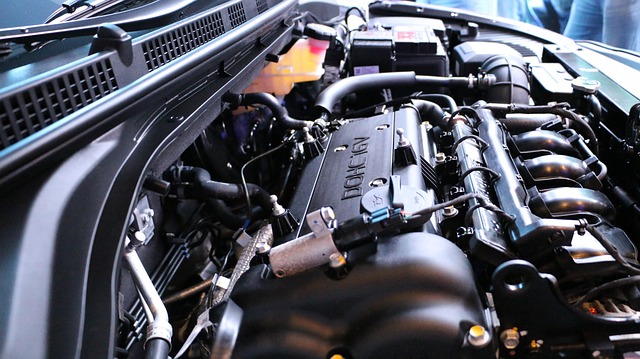
Before registering your car in California, gathering the right information is crucial. One of the most important steps is verifying the Vehicle Identification Number (VIN) to ensure the vehicle’s history is accurate and clear. The California Department of Motor Vehicles (DMV) requires a VIN verification as part of the registration process. This step helps protect against fraud and ensures you’re aware of any previous issues with the vehicle.
A key aspect of this process involves utilizing mobile VIN verifiers, which offer a convenient and efficient way to conduct a VIN inspection. These tools can provide detailed information about a vehicle’s history, including accident reports, odometer readings, and maintenance records. For instance, some mobile VIN verification services can deliver reports in under 60 seconds, making it an accessible option for busy individuals or those outside traditional business hours. The DMV encourages the use of these modern solutions to streamline the registration process.
Additionally, understanding the vehicle’s history through a comprehensive VIN inspection is vital. This includes checking for any outstanding recalls, which can be discovered through official manufacturers’ databases or third-party services. By combining these measures—utilizing mobile VIN verifiers and performing thorough checks—you’ll be well on your way to ensuring a smooth car registration process in California. Always consult the DMV’s official guidelines for the most up-to-date requirements.
Choose a Registration Method: Online, In-Person, or By Mail

Choosing your registration method is a crucial step in the car registration process in California. You have three primary options: online, in-person at a DMV office, or by mail. Each method has its advantages and considerations, influenced largely by factors like convenience, time availability, and technical proficiency.
For those comfortable with technology and seeking efficiency, registering online offers a streamlined experience. The California DMV provides an online platform for this purpose, allowing you to submit required documents and complete the registration process from the comfort of your home or office. This method is particularly appealing for its speed—a significant advantage during peak seasons or when time is limited. However, ensure your digital credentials meet the requirements, as issues with documentation can delay the process.
A more traditional approach involves visiting a DMV office in person. This method ensures immediate feedback and clarifications if needed. It’s ideal for those unfamiliar with online processes or requiring personalized assistance. Staffed by experts, these offices conduct thorough DMV VIN verifications, ensuring your vehicle’s history and documentation are accurate. While this might take longer than online registration, it offers peace of mind and the opportunity to ask questions.
For those who prefer a flexible option, registering by mail accepts a detailed package of documents, including proof of ownership, insurance, and identification. This method is suitable for individuals with busy schedules or those in remote areas. However, processing times can be longer due to manual inspection. Consider using a mobile VIN inspection service for this method, where a professional conducts the VIN verification at your convenience, ensuring accuracy and efficiency.
Complete the Registration Application: Steps and What to Include

Completing your California vehicle registration application is a crucial step after purchasing or transferring ownership of a car. It involves gathering essential documents and providing accurate information to the Department of Motor Vehicles (DMV). One critical component of this process is ensuring proper VIN (Vehicle Identification Number) verification, which can be efficiently accomplished using a mobile vin verifier—a convenient tool that allows for accurate reading and confirmation of your vehicle’s unique identifier.
To initiate the registration application, you’ll need to have several key documents ready. This includes proof of ownership, such as the title or purchase agreement, a valid driver’s license or state ID card, and current insurance documentation. Additionally, you must provide a completed DMV Form REG-157, which acts as an Application for Title and Registration. Within this form, there is a dedicated section to input your vehicle’s VIN. Here, you’ll need to enter the 17-character code precisely as it appears on your vehicle’s registration label or engine/chassis stamp—a step where mobile vin verification can be invaluable, ensuring accuracy during data entry.
Once all required documents and information are compiled, you can submit your application at a local DMV field office. Alternatively, many services now offer the option to register online, streamlining the process further. Whichever method you choose, remember that accurate VIN input is essential for a successful registration. Using a mobile vin verifier before submitting your application ensures any errors or inconsistencies are caught early, preventing potential delays or issues down the line.
Pay Registration Fees: DMV Vin Verification & Other Costs Explained

Registering a car in California involves several steps, and understanding the associated fees is crucial. One of the key components is the DMV (Department of Motor Vehicles) vin verification process, which ensures that your vehicle meets safety and environmental standards. The registration fees vary based on several factors, including the type of vehicle, its age, and where you reside in the state.
For most vehicles, you can expect to pay a base fee for registration, which typically ranges from $50 to $200. This is in addition to the DMV’s vin verification cost, which is usually around $20 to $40. The mobile vin inspection option, where a qualified inspector comes to your location to perform the vin check, can add a small convenience fee of $10 to $20. These costs are relatively standard across the state, but it’s always wise to check with your local DMV for the most accurate and up-to-date figures.
An interesting note is that California offers reduced registration fees for certain low-emission vehicles, reflecting the state’s commitment to promoting cleaner transportation. For example, hybrid or electric vehicles may qualify for a $75 discount on registration fees. This initiative not only helps drivers save money but also contributes to environmental sustainability. It’s important to take advantage of these incentives, especially if your vehicle is eligible. Additionally, keeping your vin inspection up-to-date through a mobile vin verifier can streamline the registration process and ensure a smoother experience.
By following the outlined steps, from understanding eligibility and gathering necessary information like a Vehicle Identification Number (VIN) verification to completing the registration application and paying associated fees, including DMV VIN verification, you can successfully register your car in California. This process ensures your vehicle complies with state regulations, enabling you to legally operate it on public roads. The article’s comprehensive guide empowers readers with the knowledge and practical tools needed to navigate this procedure efficiently and accurately.