

Registering a car in California is a crucial step for any new owner, ensuring legal compliance and access to public roads. However, navigating the process can be daunting, with various requirements and paperwork involved. This comprehensive guide aims to demystify the procedure, offering step-by-step instructions tailored to the Golden State’s regulations. We’ll delve into every aspect, from gathering essential documents to the crucial DMV VIN verification process, ensuring you’re prepared to complete your car registration smoothly and efficiently.
- Prepare Necessary Documents for Car Registration
- Visit Your Local California DMV Office or Use Online Services
- Complete Application Form with Accurate Information
- Provide Proof of Insurance and Vehicle Inspection (DMV VIN Verification)
- Pay Registration Fees and Receive Your License Plate
Prepare Necessary Documents for Car Registration

Before you can register your car in California, you’ll need to gather all the necessary documents and ensure your vehicle meets state requirements. One crucial step in this process is obtaining a valid Vehicle Identification Number (VIN) verification. The California Department of Motor Vehicles (DMV) requires this for accurate registration and title issuance. You can complete this process through traditional means by visiting a DMV field office or opt for a convenient mobile VIN verification service.
For the latter, many reputable companies now offer remote inspection services, allowing you to capture clear images or videos of your car’s VIN plate using your smartphone or camera. This digital approach streamlines the initial verification step, especially if your vehicle is located in an area with limited DMV access. The mobile vin inspection process typically involves contacting a certified inspector who will guide you through the procedure and ensure all data is accurately recorded.
Additionally, having previous records of service and maintenance can expedite the registration process. Keep in mind that the DMV may request documentation such as insurance cards, proof of ownership (i.e., title or bill of sale), and current vehicle inspection reports (if required in your area). It’s advisable to check with your local DMV office for specific guidelines and any additional requirements, ensuring a smooth car registration experience in California.
Visit Your Local California DMV Office or Use Online Services

Registering a car in California involves several steps, but visiting your local DMV or utilizing online services can streamline the process significantly. One of the crucial initial steps is ensuring that the vehicle’s Vehicle Identification Number (VIN) is accurately verified by the Department of Motor Vehicles (DMV). This verification is essential for maintaining accurate records and ensuring the car’s history is up-to-date.
For many California residents, visiting a local DMV office to conduct this VIN verification can be convenient. The process usually involves bringing your vehicle and necessary documentation to a designated DMV center. An agent will then use their system to check the VIN against state records, cross-referencing it with data from various sources like manufacturers and insurance companies. This method ensures that all details match, providing a robust foundation for registration. Alternatively, many DMVs now offer mobile vin verification services, allowing you to get this critical step done without leaving your home or office. Mobile vin verifiers use advanced technology to instantly access and validate the VIN against official databases, offering a quick and efficient solution.
On the other hand, online services provide another option for registering your vehicle in California. These digital platforms often include features that facilitate mobile vin inspection. By inputting your VIN, you can obtain instant validation from third-party verifiers who specialize in checking vehicle history. This method is particularly useful for those who prefer a paperless process or have busy schedules. However, it’s important to ensure the legitimacy of any online service to protect against potential scams and data breaches. Reputable services will offer secure connections and transparent processes, ensuring your information remains safe and accurate throughout.
Complete Application Form with Accurate Information
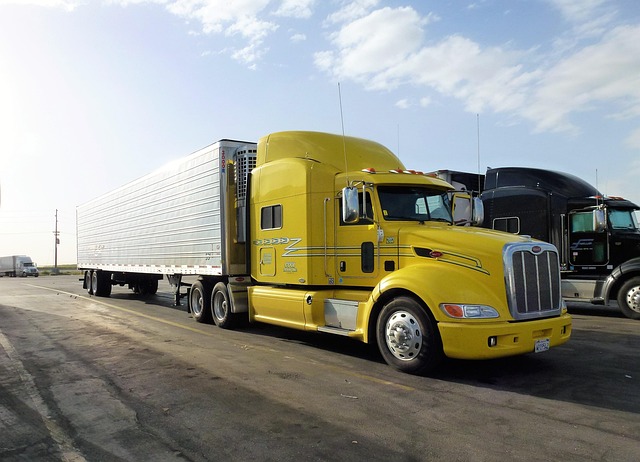
To register your car in California, you’ll need to complete a comprehensive application process with accurate information at the Department of Motor Vehicles (DMV). The first crucial step is filling out the appropriate forms, ensuring every detail is correct and up-to-date. Accuracy is paramount, especially when it comes to the Vehicle Identification Number (VIN) verification, which acts as a unique fingerprint for your vehicle. The DMV requires this process, known as VIN inspection, for all registrations and title transfers, emphasizing the need for precise information.
For instance, during the application, you’ll be asked to provide detailed specifications about your car, including its make, model, year, and VIN. It’s here where a mobile VIN verification tool can prove invaluable. These tools allow for quick and convenient checks of your vehicle’s history directly from your smartphone or tablet. By scanning the VIN, you gain instant access to crucial data such as previous owners, maintenance records, and any reported accidents—all information that must match what you’ve declared on your application form. Failure to accurately match these details could lead to delays or even rejection of your registration request.
To streamline the process, consider using a reputable mobile VIN verifier. These applications are designed to guide you through the verification process, ensuring accuracy and saving time. Remember, an honest and detailed approach is key when completing your car registration application in California. Providing incorrect information can result in legal issues down the line, so take the time to double-check every detail before submitting your forms.
Provide Proof of Insurance and Vehicle Inspection (DMV VIN Verification)

Registering a car in California involves several crucial steps, and one of the critical stages is providing proof of insurance and undergoing DMV VIN verification. This process ensures that your vehicle meets safety standards and that you have adequate coverage in case of accidents or damage. The Department of Motor Vehicles (DMV) requires a valid VIN inspection to verify the authenticity and condition of your car.
Proof of insurance is an essential document that demonstrates your financial responsibility for operating a motor vehicle on California’s roads. When you purchase insurance, make sure it complies with the state’s minimum liability requirements, which include a $15,000 limit for property damage and $30,000 for bodily injury per person. You will need to present your policy number, coverage limits, and insurer’s contact information during the registration process.
DMV VIN verification is a critical step in the registration process. The unique vehicle identifier (VIN) is a 17-character code that provides detailed information about your car, including its make, model, year, and manufacturing location. A mobile vin inspection or mobile vin verifier can be particularly useful for this step as it offers convenience and saves time. You can schedule an appointment with a certified inspector who will visit your location to perform the check. Alternatively, some third-party services provide remote VIN verification using online platforms, allowing you to input your VIN and receive instant validation. This method is efficient, especially if you’re registering a classic car or have difficulty transporting the vehicle to a DMV office.
Pay Registration Fees and Receive Your License Plate

Paying the registration fees is a crucial step in the car registration process in California. The California Department of Motor Vehicles (DMV) charges a fee for vehicle registration, which varies based on several factors such as the type and age of your vehicle. You can pay these fees online, by mail, or in person at any DMV field office. It’s essential to ensure you have all the required documents, including proof of insurance and identification.
Once your payment is processed, the DMV will issue your license plate. In California, license plates are typically assigned based on the vehicle’s weight and intended use. You’ll receive two plates—one for the front and one for the rear—which must be displayed prominently on your vehicle at all times. If you’re looking to streamline the process, consider using a mobile VIN verifier or conducting a mobile VIN inspection before heading to the DMV. This can help ensure that all required documents, including the Vehicle Identification Number (VIN) verification, are in order, making for a smoother registration experience.
To avoid any delays, it’s recommended to schedule an appointment at your nearest DMV field office. During your visit, you’ll need to present your vehicle for inspection and verify its VIN through the DMV system. This step is critical as it ensures that your vehicle meets all safety standards and legal requirements before issuing a registration and license plate. Properly registered vehicles are also protected against theft, making this process not just administrative but also a vital security measure.
Registering a car in California involves a straightforward process that requires preparation and attention to detail. Key takeaways include gathering essential documents, visiting or utilizing online services through the DMV, accurately completing application forms, providing proof of insurance and vehicle inspection via DMV VIN verification, and paying registration fees. By following these steps and ensuring accurate information, individuals can efficiently navigate the car registration process, securing necessary licenses and plates for their vehicles. This practical guide offers clear direction, empowering readers to successfully register their cars in compliance with California regulations.