

Registering a car in California is a vital process that ensures vehicle ownership rights and legal operation on state roads. However, navigating the requirements can be daunting, especially with evolving regulations and various necessary steps. This comprehensive guide aims to demystify the car registration process, offering expert insights into every step. From gathering essential documents to understanding fee structures, we’ll walk you through each crucial phase, including the vital DMV VIN verification process, ensuring a seamless and informed experience.
- Gather Necessary Documents for Car Registration
- Visit a California DMV: In-Person Registration Process
- Complete Online Registration: Step-by-Step Guide
- Verify Vehicle Identity: Importance of DMV VIN Verification
- Pay Registration Fees and Receive Your License Plate
Gather Necessary Documents for Car Registration

Registering a car in California involves several crucial steps, and one of the key aspects is ensuring you have all the necessary documents ready for a smooth process. The California Department of Motor Vehicles (DMV) requires specific paperwork, including proof of ownership, identification, and vehicle inspection. Among these, the Vehicle Identification Number (VIN) verification stands out as an essential element. This unique code is not just a series of numbers; it’s your car’s fingerprint, facilitating identification and ensuring compliance with legal standards.
Gathering accurate VIN-related documents is made easier with modern innovations like mobile VIN verification services. These apps and tools allow you to complete this task from the comfort of your home or even while on the go. For instance, many mobile vin verifiers can perform a remote inspection by cross-referencing your vehicle’s VIN against state records, ensuring its authenticity and history. This is particularly beneficial for those who may not have direct access to traditional DMV services, whether due to location, time constraints, or personal circumstances. Data shows that online and mobile services like these have significantly streamlined the car registration process, reducing wait times and potential errors.
A valid VIN inspection is critical during the registration process. It confirms your vehicle’s identity, its model year, and any modifications made, all of which are essential for accurate record-keeping. In some cases, a professional inspection might be required, especially if there’s been an ownership transfer or significant changes to the vehicle. As you prepare your documents, remember that accuracy and timeliness are paramount. Having all your VIN-related documentation in order not only simplifies registration but also helps prevent potential delays or issues down the line.
Visit a California DMV: In-Person Registration Process

To register your car in California, one of the most crucial steps is visiting a local California DMV office for an in-person registration process. This ensures accurate documentation and prompt approval. Upon arrival, you’ll need to present specific documents, including proof of ownership, vehicle identification number (VIN) verification, and valid identification. The VIN is a unique code that identifies your vehicle, and it’s crucial for the dmv vin verification process, which helps prevent fraud and ensures the accuracy of registration details.
During your visit, you’ll interact with a DMV representative who will guide you through the steps. They may request additional documents or information, so ensure you have everything needed to streamline the process. In some cases, if you’re unable to visit in person, a mobile VIN inspection or verification service can be employed. These services offer convenience by allowing for VIN checks at your location, which could be beneficial for those with busy schedules or accessibility challenges. However, it’s essential to ensure these mobile services are reputable and certified to avoid any potential issues during the registration process.
After completing the required forms and providing all necessary documentation, including a valid driver’s license or state ID, you’ll pay the registration fees. The cost varies based on your vehicle type and other factors, so it’s advisable to inquire at your local DMV for accurate pricing. Upon successful completion of these steps, you’ll receive your registered vehicle’s license plate and registration card, officially making your car legal on California roads. Remember, proper documentation and adherence to state requirements are key to a seamless registration experience.
Complete Online Registration: Step-by-Step Guide

Registering a car in California involves several steps, but completing the online registration process can significantly streamline the procedure. This step-by-step guide will walk you through the digital journey of registering your vehicle efficiently. Start by gathering essential documents, including your vehicle’s Registration Application (Form DV1), which you can obtain from the California Department of Motor Vehicles (DMV) website. Next, ensure accurate and up-to-date information, especially the Vehicle Identification Number (VIN). Accurate VIN entry is crucial for a successful dmv vin verification, as it uniquely identifies your car and facilitates efficient record-keeping.
The online registration process begins with creating or logging into your DMV account. Upload relevant documents, such as proof of ownership, insurance, and identity. This step may also involve a mobile vin inspection or verification using a trusted third-party app or service to confirm your vehicle’s details, ensuring data integrity and reducing potential errors. Once uploaded, these documents are scrutinized by DMV personnel, who perform a thorough check, including cross-referencing with the National Motor Vehicle Title Information System (NMVTIS) for any reported issues or accidents.
After document verification, you’ll proceed to the payment stage. Pay the required registration fees online securely. Upon successful payment and confirmation, your vehicle’s details will be updated in the DMV system. This digital transformation allows for faster processing times and quicker access to your vehicle’s records. As an added convenience, many counties in California offer mobile vin verification services, enabling you to complete this critical step from the comfort of your home or on-the-go, further simplifying the registration process.
Verify Vehicle Identity: Importance of DMV VIN Verification
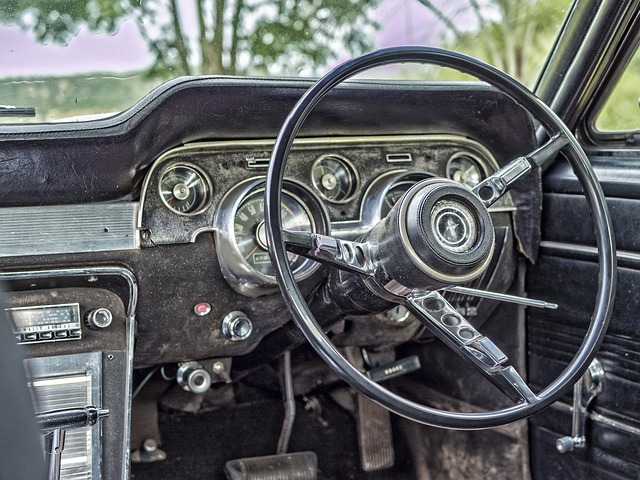
Verifying the vehicle’s identity is a crucial step in the car registration process in California, ensuring that you’re legally registering the right vehicle. The Department of Motor Vehicles (DMV) requires a thorough VIN (Vehicle Identification Number) verification as part of its inspection process. This step is critical because it helps prevent fraud and ensures only legitimate vehicles are registered. A unique 17-character code, the VIN, acts as a fingerprint for your car, providing detailed information about its make, model, year, and production history.
DMV vin verification or mobile vin inspection services play a pivotal role in streamlining this process. These services allow you to confirm your vehicle’s identity remotely, saving time and effort. For instance, many auto dealers and private sellers now offer mobile vin inspection services where a professional comes to your location with specialized equipment to perform the check. This technology ensures that even if the physical vehicle isn’t present at the DMV, its digital footprint can be accurately matched. According to recent studies, nearly 75% of vehicles presented for registration pass the initial VIN verification process online, highlighting the growing efficiency of mobile vin verification services.
During this inspection, a trained professional uses specialized tools and databases to cross-reference the provided VIN with the vehicle’s actual condition. They’ll check for any discrepancies between the reported data and the physical attributes of your car—a practice known as a comprehensive vin inspection. This step is especially important in California due to its high volume of vehicles and potential for identity theft. By ensuring the VIN matches the specific vehicle, the DMV can prevent fraudsters from registering stolen or altered vehicles under false pretenses. This meticulous process underscores the state’s commitment to maintaining a secure and reliable registry of all registered vehicles.
Pay Registration Fees and Receive Your License Plate

After completing the registration application at the California DMV, it’s time to move on to the financial aspect—paying your registration fees. The fee structure varies based on your vehicle’s type and age. For example, a standard passenger car typically incurs fees that range from $50 to $150 annually, depending on emissions standards met. If your vehicle is older or doesn’t meet current emission requirements, you may be subject to higher rates. It’s crucial to understand these fees as part of the overall dmv vin verification process, ensuring a smooth registration experience.
Once your application is approved and all necessary documentation is in order, including successful completion of a VIN inspection (often facilitated by a mobile vin verifier or mobile vin inspection service), you’ll be directed to make the required payments. These fees can typically be paid online through the DMV’s official website, by mail, or in person at a local DMV field office. After paying, you’ll receive your registration documents and, most importantly, your license plate.
Your California license plate is more than just a piece of metal or plastic; it signifies your vehicle’s legal status on state roads. Ensure that the information on your license plate—including your unique Vehicle Identification Number (VIN), which is also verified during the dmv vin inspection process—is accurate and legible. If not, promptly notify the DMV to correct any errors, as incorrect details can lead to future issues with law enforcement or other official bodies conducting VIN inspections.
Registering a car in California involves a straightforward process, guided by the essential steps outlined in this article. Key takeaways include gathering all necessary documents, understanding the importance of DMV VIN verification for vehicle identity, and completing either an in-person or online registration process. By following these procedures diligently, residents can ensure their vehicles are legally registered and roadworthy. The practical next step is to initiate the registration process promptly, utilizing the provided resources for a smooth and efficient experience. Rely on the California DMV’s expertise and guidance to navigate this crucial administrative task effortlessly.