

Looking to register your car in California? This comprehensive guide walks you through the entire process, ensuring a smooth experience. From understanding eligibility requirements for car registration to gathering necessary documents for a DMV visit, this article has you covered. Learn about the crucial step of performing a Vehicle Identification Number (VIN) verification and complete either the online or in-person registration process with ease. Discover how to pay registration fees and receive your title, adhering to essential DMV vin verification protocols every step of the way.
- Understand Eligibility Requirements for Car Registration
- Gather Necessary Documents for DMV Visit
- Perform Vehicle Identification Number (VIN) Verification
- Complete Online or In-Person Registration Process
- Pay Registration Fees and Receive Your Title
Understand Eligibility Requirements for Car Registration

Before registering your car in California, it’s crucial to understand the eligibility requirements set by the Department of Motor Vehicles (DMV). To start, your vehicle must be properly insured and meet all safety standards. Additionally, the car needs to have a valid, unexpired registration from another state or country. For out-of-state vehicles, a DMV vin verification is essential, ensuring the vehicle’s identity through its unique Vehicle Identification Number (VIN) inspection.
To streamline the process, consider utilizing mobile VIN verification services that allow for convenient and accurate VIN inspections right from your smartphone. These methods not only save time but also help ensure compliance with California’s registration guidelines, making it easier to get your car registered smoothly and efficiently.
Gather Necessary Documents for DMV Visit

Before heading to the DMV, ensure you have all the required documents for a smooth car registration process. This includes your vehicle’s registration certificate from the previous state (if applicable), proof of insurance, and a valid driver’s license. Additionally, gathering important papers such as your birth certificate or passport can expedite the identity verification process. It’s also crucial to perform a DMV VIN verification using reliable resources or even consider a mobile vin verifier for added convenience before your visit. This step ensures that all vehicle details are accurate and up-to-date.
During your trip, you may need to present a recent vehicle inspection report, especially if your car is over a certain age. Having these documents readily available will help avoid delays and potential issues during the registration process. Alternatively, some services offer on-site or mobile vin inspection, providing an efficient way to confirm your car’s details before heading to the DMV.
Perform Vehicle Identification Number (VIN) Verification

Before you can register your car in California, it’s crucial to perform a Vehicle Identification Number (VIN) verification. This process ensures that the vehicle matches the details provided on essential documents like the title and registration. You can opt for a mobile VIN inspection or verification service, which is particularly convenient if you’re busy or have a remote location. These services send a specialist to your location to complete the necessary checks using specialized equipment.
The California Department of Motor Vehicles (DMV) recommends this step to combat fraud and ensure road safety. During the vin inspection, the specialist will cross-reference the VIN with national databases to confirm its authenticity, history, and current status. This includes checking for any outstanding recalls or liens, which could affect your registration process. Once the verification is complete, you’ll receive a report detailing the vehicle’s condition and history, making it easier to navigate the registration procedure.
Complete Online or In-Person Registration Process
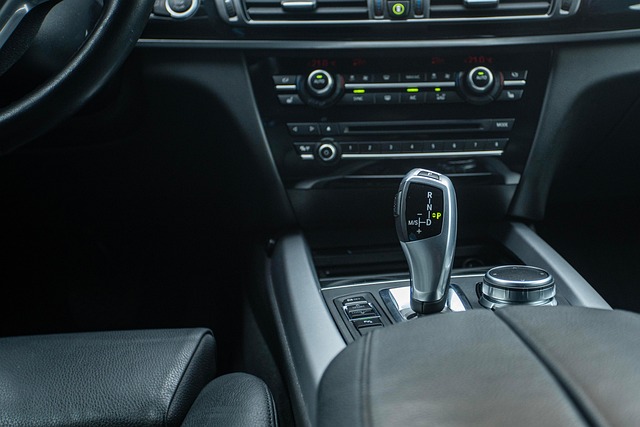
In California, registering a car involves either completing the process online or in-person at a Department of Motor Vehicles (DMV) office. The first step for both methods is to gather all necessary documents, including proof of identity, residency, and insurance. Once prepared, you can embark on the registration journey. Online registration allows you to submit applications, pay fees, and even schedule a DMV vin verification through their dedicated portal.
Alternatively, in-person registration requires visiting a local DMV office where a mobile vin verifier or inspector can ensure your vehicle’s VIN (Vehicle Identification Number) is accurate and matches the make and model on file. This step is crucial for verifying ownership and ensuring compliance with California’s vehicle registration standards. After successful verification, you’ll receive your registration documents, license plate, and official confirmation of your car’s registration status.
Pay Registration Fees and Receive Your Title

After completing your vehicle’s purchase, it’s time to pay the registration fees. The California Department of Motor Vehicles (DMV) requires specific documentation and a fee for registration. You’ll need to provide proof of identification, vehicle ownership, and insurance. One crucial step in this process is the DMV VIN verification, ensuring that your car’s unique identifier matches the records. This can be done efficiently with a mobile vin verifier or through a vin inspection, making the task more accessible than ever.
Once your documents are in order and fees are paid, you’ll receive your vehicle’s title. This legal document signifies ownership and is essential for future transactions and registration renewals. Keep it secure, as it may be required during inspections or when transferring ownership.
Registering a car in California is a straightforward process that requires understanding the eligibility criteria, gathering essential documents, and completing either an online or in-person registration. A crucial step is to perform a DMV VIN verification to ensure your vehicle’s authenticity. Once all requirements are met, including paying the necessary fees, you’ll receive your vehicle’s title, marking the official completion of the registration process.